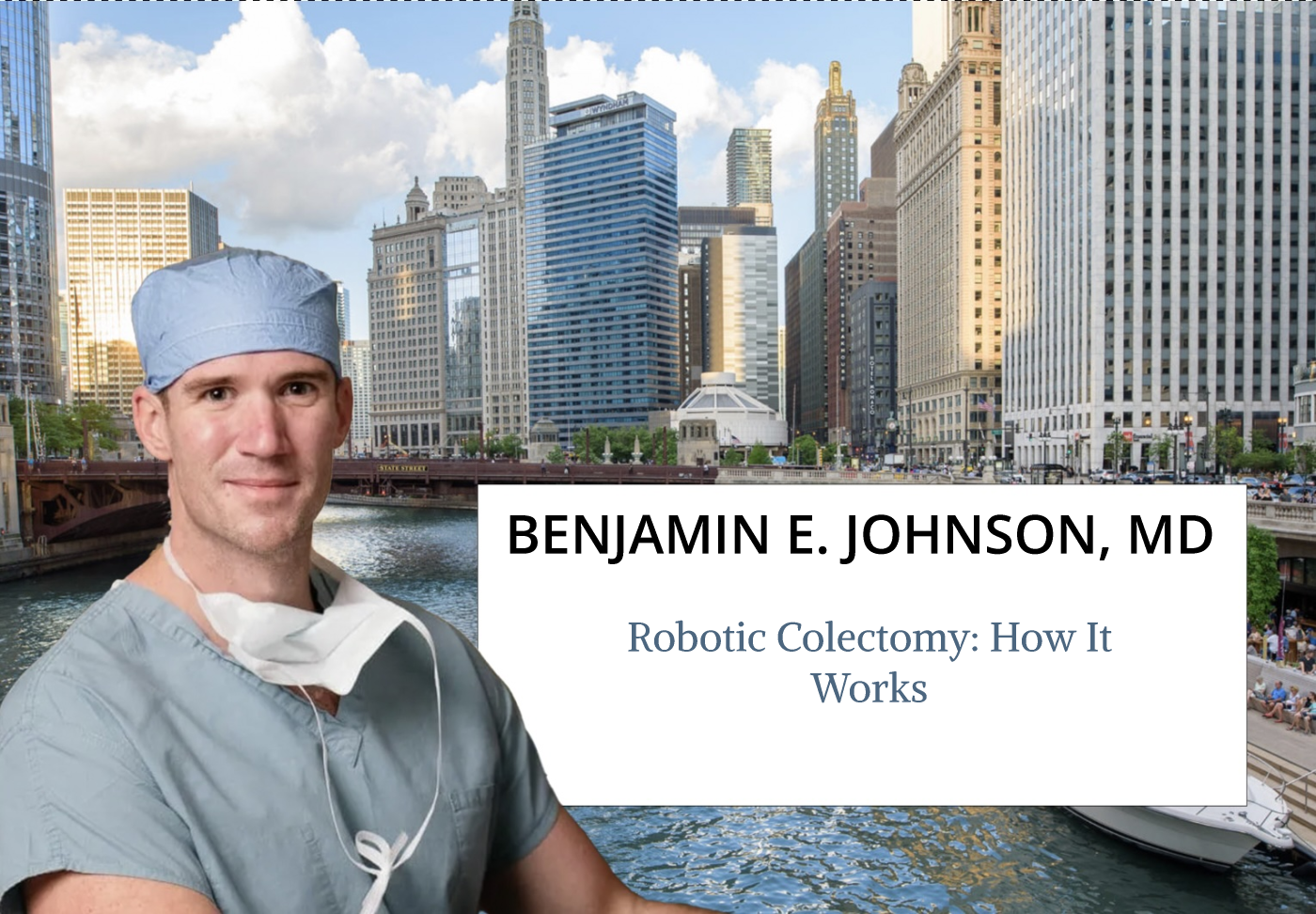
For anyone facing colon surgery, the sheer volume of medical information and options can feel overwhelming. When you hear the term robotic colectomy explained, it may sound intimidating or unfamiliar. However, understanding the basics of this advanced surgical technique is empowering—knowing how it works and what to expect can help you feel more at ease during an already stressful time. In this blog post, we will break down the process of robotic colectomy, offer practical tips for patients in Chicago, and address some of the most common questions. With empathy and clarity, you will learn how modern technology is improving surgical outcomes and what that could mean for you or your loved one.
A Closer Look at What Robotic Colectomy Means for Patients
Robotic colectomy, explained in simple terms, is a minimally invasive surgery to remove part or all of the colon—often for conditions like colon cancer, diverticulitis, or inflammatory bowel disease. Instead of a long abdominal incision, the surgeon operates through small incisions with the aid of a robotic system. This robot does not act on its own; the surgeon fully controls its arms using a console, gaining precision and flexibility previously unattainable by human hands alone. For example, a patient with colorectal cancer may be recommended a robotic colectomy to ensure precise removal of the tumor with less trauma. Another patient with chronic diverticulitis might undergo the same technique for faster recovery. By combining advanced imaging and fine motor control, robotic colectomy optimizes outcomes while reducing the physical burden on patients. Understanding these basics can help you make informed decisions about your health.
Why Understanding Robotic Colectomy Is Important for Patients and Families
Robotic colectomy explained matters because it represents a significant leap forward in surgical care, offering patients reduced pain, quicker recovery, and fewer complications compared to traditional open surgery. Deciding on major surgery is always difficult, but knowing you have access to technologies that can shorten your hospital stay and speed up your return to daily life provides real hope. This advancement also empowers families by providing more options and peace of mind, particularly when navigating serious diagnoses like colon cancer.
In practical terms, patients who understand what robotic colectomy involves can better advocate for themselves. They know what questions to ask about complications, hospital stay, and outcomes. For instance, those dealing with a chronic gastrointestinal condition may long for a solution that minimizes disruption to their lives or careers. Through this knowledge, families can work closely with healthcare teams, ensuring loved ones receive safe and effective care.
- Scenario 1: A patient with colon cancer chooses robotic colectomy and experiences less postoperative pain, leading to a faster return home.
- Scenario 2: Someone with inflammatory bowel disease avoids a large open incision, resulting in a lower risk of infection and quicker wound healing.
- Scenario 3: An individual with diverticulitis selects minimally invasive surgery, allowing a speedier return to work and daily routines.
The Step-by-Step Approach to Robotic Colectomy in Chicago IL
- Step 1: After a thorough evaluation, your surgeon will determine if you are a good candidate for robotic colectomy based on your diagnosis and health history.
- Step 2: On the day of surgery, you will be placed under anesthesia. Small incisions are made in the abdomen, and the robotic instruments are positioned.
- Step 3: The surgeon uses a specialized console nearby to guide robotic arms with enhanced precision as the colon segment is removed; afterward, the surgeon ensures the area is secure and closes the incisions.
Expert Strategies for Handling Robotic Colectomy Recovery and Planning
Answers to Common Questions About Robotic Colectomy in Chicago IL
How the Team at Chicago Robotic Surgery Supports Community Members
Chicago Robotic Surgery is dedicated to guiding patients through every stage of robotic colectomy, from initial consultation to postoperative care. Their team combines years of surgical expertise with a compassionate approach, making an often daunting process far more manageable. Patients benefit from a streamlined experience, state-of-the-art technology, and an individualized care plan. By prioritizing communication and continued support, the team helps individuals recover faster, minimize complications, and regain quality of life. The peace of mind offered by Chicago Robotic Surgery stems from the assurance that each patient receives advanced care tailored to their specific needs, delivered with kindness and professionalism.