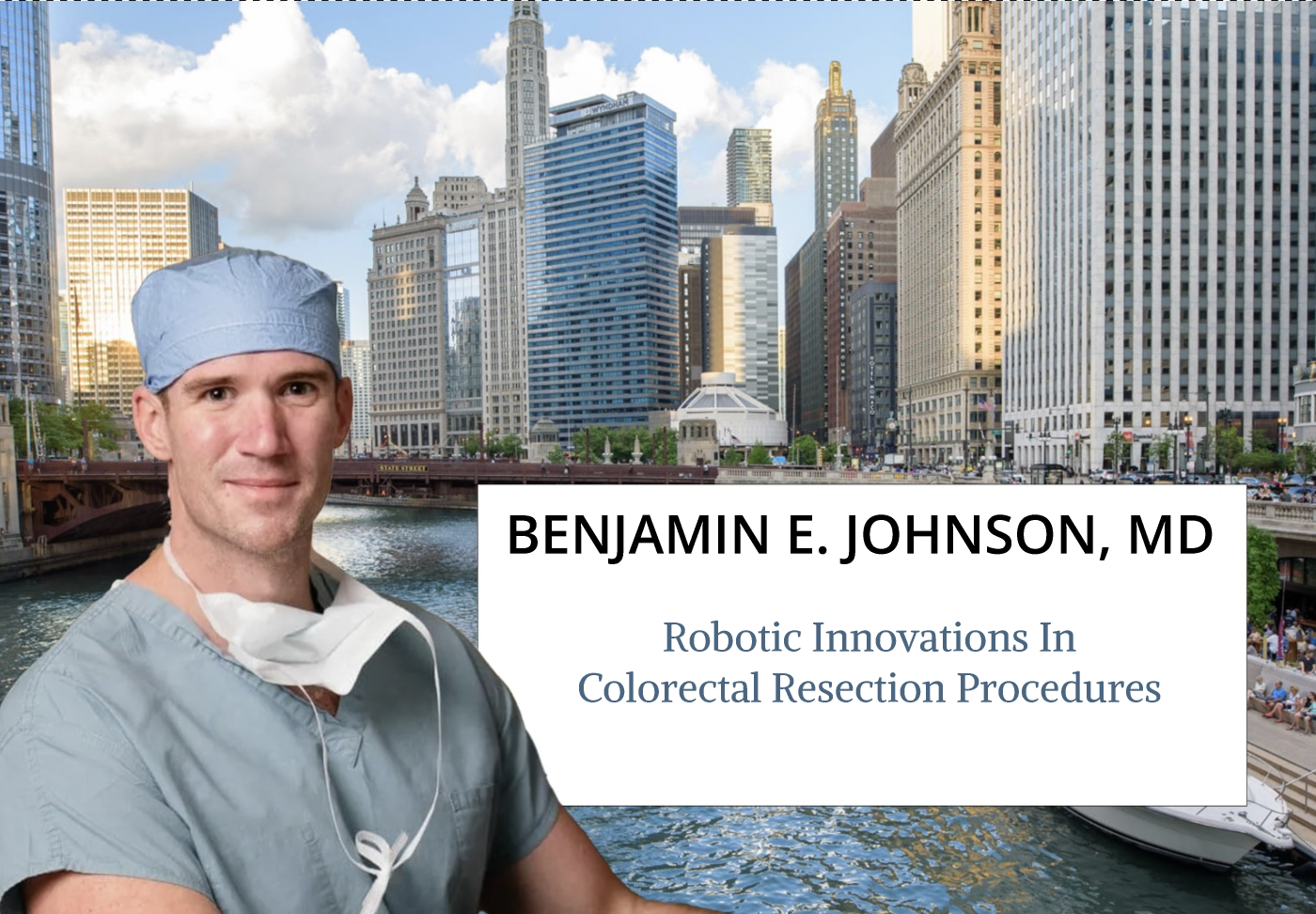
Millions of people each year face the challenge of colorectal conditions, which may require complex surgical procedures for relief. Now more than ever, patients and their families are turning to advanced solutions like robotic colorectal innovations to improve their health and outcomes. The progress in robotic-assisted colorectal surgery has been remarkable, making difficult procedures more precise and less invasive, and often bringing hope to those experiencing discomfort or serious disease. If you or your loved one is considering colorectal surgery in the Chicago area, it helps to understand how these robotic innovations can reduce complications, speed recovery, and create a more positive surgical experience. By taking advantage of these technological advances, patients can benefit from reduced pain, smaller scars, and a faster return to normal activities. It is natural to feel anxious about surgery, but knowing how far healthcare has come with robotics can provide reassurance and peace of mind during an already stressful time.
Understanding the Basics of Robotic Colorectal Innovations
Robotic colorectal innovations refer to the use of advanced robotic technology to assist surgeons in performing colon and rectal surgeries. These procedures are often necessary to treat conditions such as colorectal cancer, diverticulitis, and inflammatory bowel disease. Unlike traditional open surgery, which involves large incisions, robotic surgeries utilize small keyhole incisions and highly sophisticated robotic arms that the surgeon controls from a specialized console. For example, a surgeon in Chicago might use the da Vinci Surgical System, which provides enhanced visualization and dexterity for delicate maneuvers inside the body. Another example is the use of robotic staplers that allow for greater precision in reconnecting sections of the colon. The result is a minimally invasive approach that can lead to less pain, quicker healing, and lower risk of complications for many patients. By embracing these innovations, surgeons can offer enhanced care while improving long-term outcomes for those facing colorectal surgery.
The Significance and Impact of Advancements in Robotic Colorectal Procedures
The evolution of robotic colorectal innovations is transforming the way colorectal diseases are managed, offering real-world benefits to both patients and healthcare providers. Traditional surgery often brings prolonged hospital stays and significant postoperative discomfort. With the emergence of robotic techniques, these concerns are being addressed more effectively, improving quality of life for many people in Chicago and beyond.
For patients who require colorectal procedures, robotic surgery introduces solutions that were difficult to achieve before. The technology allows for smaller incisions, less blood loss, and faster recovery times. Families facing these surgeries can feel more at ease knowing there are advanced options that reduce risks and improve overall outcomes. As robotic colorectal innovations continue to advance, more patients are enjoying personalized care and the confidence that comes with state-of-the-art medical support.
- Scenario 1 and consequence 1: A patient diagnosed with early-stage colorectal cancer undergoes robotic surgery, resulting in a shorter hospital stay and a faster return to normal life.
- Scenario 2 and consequence 2: An individual with diverticulitis receives minimally invasive treatment using robotic technology, leading to less postoperative pain and a lower risk of infection.
- Scenario 3 and consequence 3: A patient with complex rectal disease benefits from the precision of robotics, reducing the likelihood of long-term complications or the need for additional surgeries.
The Step-by-Step Journey of Robotic Colorectal Surgery in Chicago, IL
- Step 1: Initial consultation and diagnosis occur, during which the care team evaluates the condition and determines if robotic colorectal innovations are appropriate.
- Step 2: The surgical plan is created, and the patient is prepped for surgery. The robotic system is set up and controlled by the surgeon via a specialized console.
- Step 3: During the procedure, the robotic arms perform delicate tasks guided by the surgeon, and after surgery, the patient is monitored during recovery with adjustments for optimal healing.
Expert Suggestions for Navigating Robotic Colorectal Innovations Successfully
Common Questions and Answers on Robotic Colorectal Innovations in Chicago, IL
How Chicago Robotic Surgery Stands by Their Patients
Chicago Robotic Surgery is committed to offering advanced minimally invasive procedures with a patient-first approach. Their team of experts has extensive experience using state-of-the-art robotic technology for colorectal procedures, ensuring every patient receives customized and compassionate care. From the moment you walk in for a consultation through to your final follow-up, you will be supported at every step by skilled professionals who are invested in your successful outcome. Their dedication to safety, innovation, and patient education provides clients in the Chicago area peace of mind, knowing they are in trusted hands. With a focus on clear communication and patient comfort, the Chicago Robotic Surgery team works tirelessly to achieve the best possible results, minimizing risks and helping individuals return to their lives with confidence.