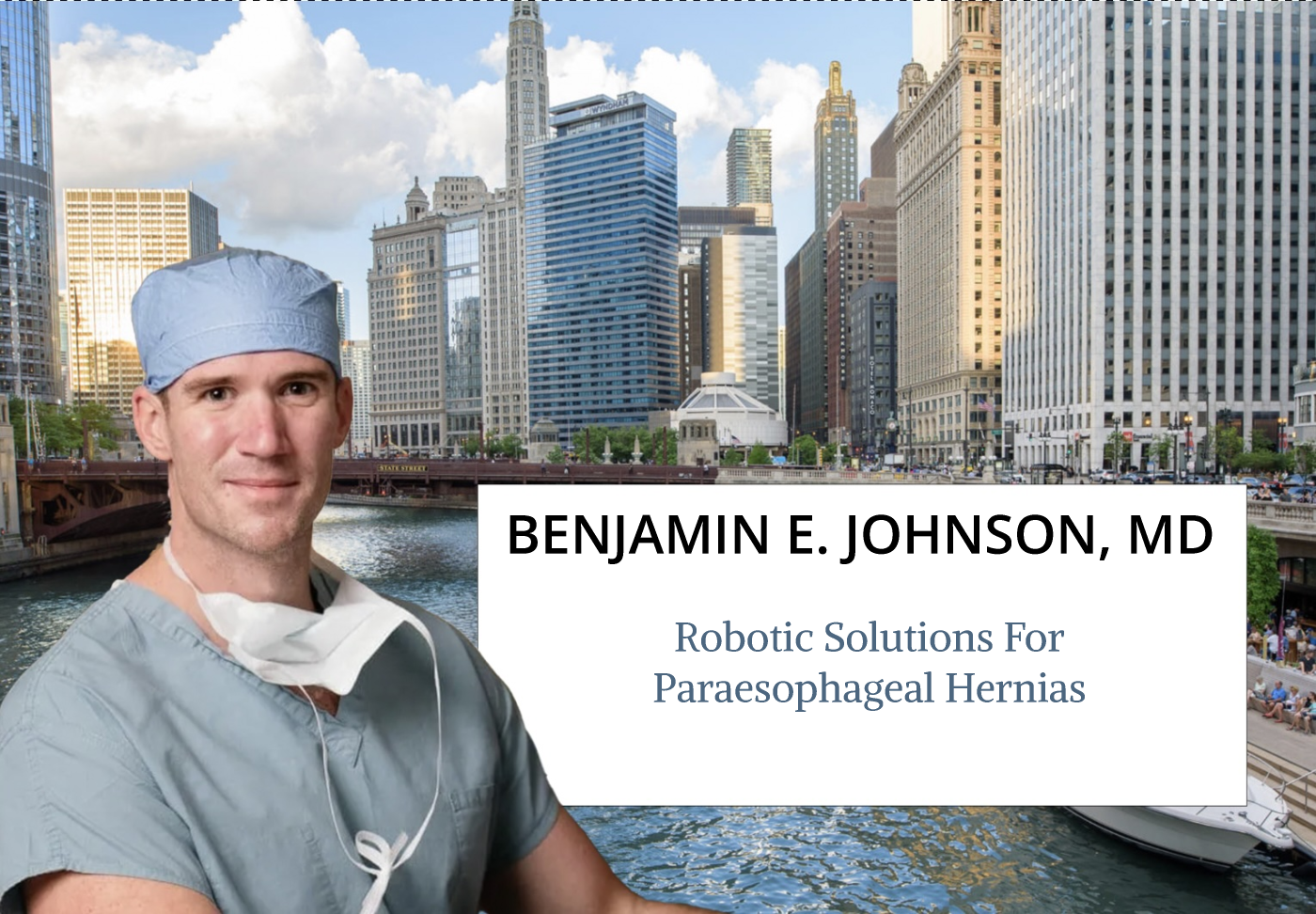
Living with a paraesophageal hernia can be stressful, often leading to symptoms like chest pain, difficulty swallowing, or even breathing problems. Fortunately, modern medicine now offers advanced approaches to help people in Chicago manage these issues more effectively. Robotic solutions paraesophageal hernia have emerged as a promising alternative for those seeking minimally invasive procedures, better recovery times, and fewer complications. In this blog post, we will explore what paraesophageal hernias are, how robotic solutions work, and why they can make a significant difference for patients. By focusing on robotic advancements, we hope to provide clear information and guidance for anyone considering or needing this type of care.
Understanding the Basics of Robotic Solutions for Paraesophageal Hernia
A paraesophageal hernia occurs when part of the stomach moves up into the chest through an opening in the diaphragm next to the esophagus. This differs from the more common sliding hiatal hernia, as the stomach and esophagus remain relatively stable while the upper part of the stomach pushes into the chest beside the esophagus. Robotic solutions paraesophageal hernia refers to using cutting-edge robotic surgical platforms to repair these hernias with greater precision and control.
For example, a patient experiencing consistent acid reflux and pain may find relief through a robotic procedure that corrects the hernia without the extensive invasiveness of traditional surgery. Another example is someone whose hernia causes intermittent breathing issues; a robotic approach can safely adjust the stomach’s position and restore normal anatomy, often with less pain and a quicker return to daily activities. Robotic surgery employs tiny instruments and 3D visualization, making the entire process much less disruptive compared to conventional methods.
The Importance of Adopting Robotic Solutions for Paraesophageal Hernias
Paraesophageal hernias can have serious consequences if not treated appropriately. In severe scenarios, the stomach may twist, reducing blood flow and resulting in a surgical emergency. By utilizing robotic solutions paraesophageal hernia, individuals can benefit from more effective, minimally invasive repairs that reduce the risks of complications and lengthy hospital stays. The precision of robotic technology allows surgeons to target the problem area specifically, protecting nearby organs and tissues.
Consider what could occur without these advancements:
- Scenario 1: A patient with recurring hernia symptoms delays surgery due to fear. As symptoms worsen, the risk of strangulation or sudden blood loss increases, posing life-threatening dangers.
- Scenario 2: A conventional open surgery leads to significant post-operative pain and longer recovery, which may result in lost income or prolonged dependence on others for care.
- Scenario 3: Without access to robotic solutions paraesophageal hernia, patients may face a higher likelihood of hernia recurrence, requiring additional surgeries and subjecting them to greater health risks.
Robotic surgery not only improves surgical accuracy but also offers the relief many individuals desperately seek, minimizing future risks and helping them regain control of their health faster.
The Step-by-Step Approach to Robotic Paraesophageal Hernia Repair in Chicago IL
- Step 1: Diagnosis begins with a comprehensive evaluation, which may include imaging studies to confirm the presence and extent of the paraesophageal hernia.
- Step 2: After the diagnosis, your healthcare team outlines a personalized treatment plan, explaining how a robotic solution can address your condition compared to other surgical options.
- Step 3: During surgery, the robotic system provides your surgeon with enhanced visualization and instrumentation, allowing for precise repairs that minimize trauma to surrounding tissues and promote a faster recovery.
Pro Tips for Ensuring Success With Robotic Hernia Solutions
Common Questions About Robotic Paraesophageal Hernia Solutions in Chicago IL
Chicago Robotic Surgery’s Commitment to Patient Support
Chicago Robotic Surgery distinguishes itself through a patient-focused approach rooted in compassion and experience. Their team understands the worries people face when confronting a paraesophageal hernia diagnosis and is committed to delivering minimally invasive solutions that prioritize both safety and comfort. With access to state-of-the-art robotic technology, highly skilled surgeons craft personalized care plans, guide patients through every stage, and remain available for post-operative support. The center leverages substantial expertise in robotic solutions paraesophageal hernia, which translates into better clinical outcomes, faster recoveries, and higher patient satisfaction. By providing clear communication, educational resources, and compassionate care, Chicago Robotic Surgery offers clients peace of mind, helping them face their health challenges with greater confidence.