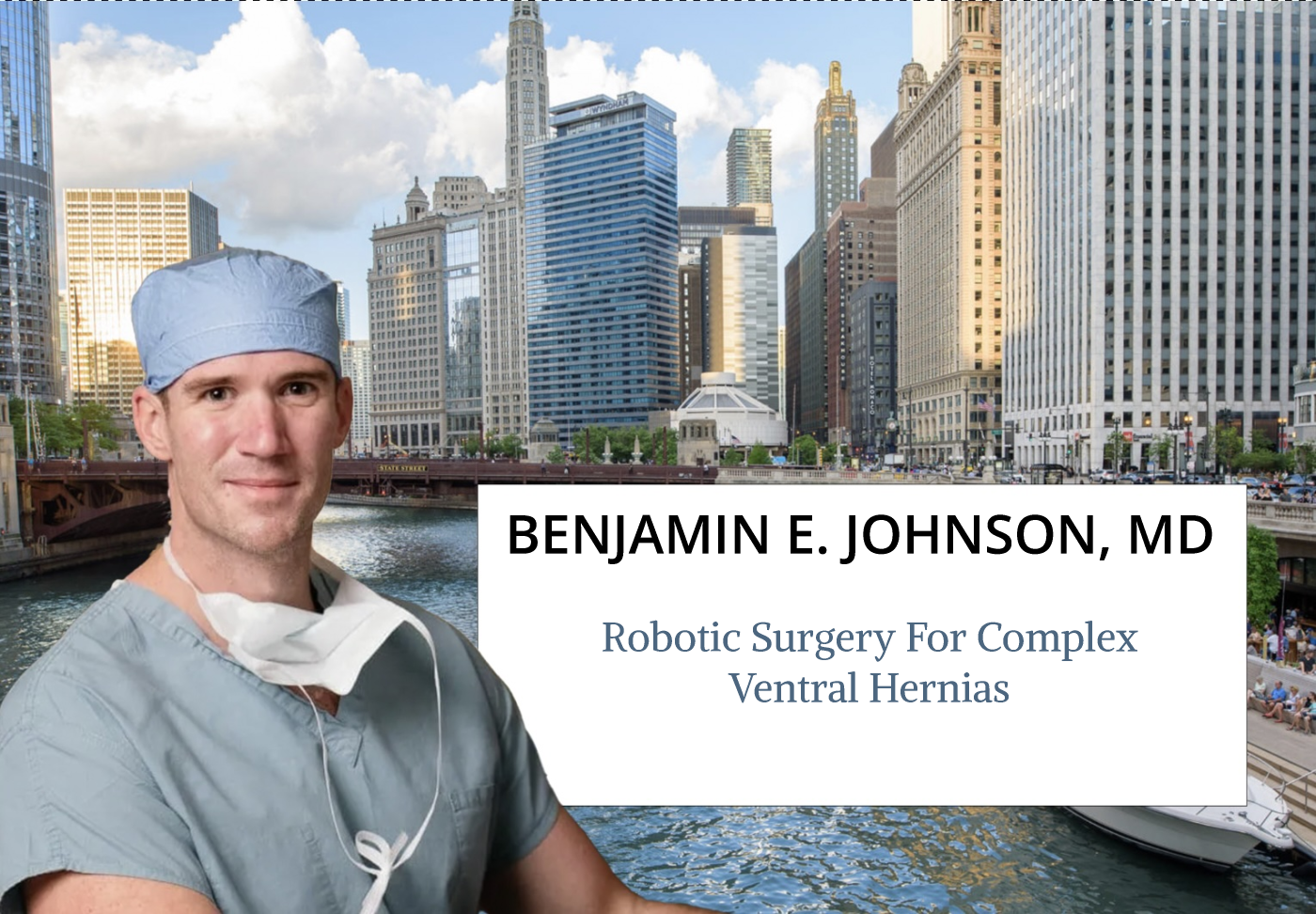
Living with a complex ventral hernia can impact your quality of life, causing discomfort, worry, and often interfering with daily activities. Robotic complex ventral hernia repair offers hope to those facing this challenge by delivering advanced, precise treatment that aims for improved outcomes and a smoother recovery process. If you or a loved one is struggling with the limitations brought on by a complex ventral hernia, understanding your surgical options is crucial. In this blog post, we will guide you through what robotic complex ventral hernia repair involves, explain its importance for long-term health, outline the process in Chicago, and share practical tips and answers to common questions. By the end of this article, you will feel empowered to make informed decisions and know what to expect on your road to recovery.
Robotic complex ventral hernia repair explained in simple terms
Complex ventral hernias occur when a portion of tissue or organ pushes through a weakened area of the abdominal wall, and they may involve larger, recurrent, or multiple hernias. Robotic complex ventral hernia repair is a surgical approach that uses advanced robotic technology, giving surgeons extra dexterity and control during the procedure. With the aid of a robotic system, tiny instruments and a camera are operated through small incisions, allowing for a clearer view and more precise movements compared to traditional open or laparoscopic surgery.
For instance, a patient who has undergone several previous abdominal surgeries may develop scar tissue that complicates hernia repair, but the robotic approach can navigate these tight spaces more effectively. Another example is someone experiencing a hernia that extends across much of the abdomen; the robotic system can provide the accuracy needed to repair it while minimizing trauma to surrounding tissues. Overall, this technique aims to reduce pain, lower the risk of complications, and offer a quicker recovery than older methods.
The real-life importance of robotic complex ventral hernia repair
The significance of robotic complex ventral hernia repair extends far beyond medical technology; it directly affects patients’ physical wellbeing, psychological comfort, and future risk of complications. In many cases, individuals live with persistent pain, limited mobility, or concern about recurrence, which erodes their independence and confidence. Robotic surgery’s ability to deliver precise restoration is a game-changer for so many facing such obstacles.
This modern surgical approach also means better outcomes for high-risk patients, such as those with large, recurrent, or scarred hernias. By enabling enhanced visualization and delicate handling of tissues, this method can preserve healthy tissue while ensuring a strong, lasting repair. The result is a lower chance of infections and quicker return to everyday life—benefits that can transform the recovery experience for patients and their families.
- Scenario 1: A patient with a history of failed hernia repairs may feel hopeless; robotic repair improves the chance of success and reduces the likelihood of future recurrence.
- Scenario 2: An athlete sidelined by a significant abdominal hernia benefits from the robotic technique’s minimally invasive nature, enabling a faster recovery and return to active life.
- Scenario 3: An older adult with other health concerns avoids the major trauma of traditional surgery, experiencing fewer postoperative complications thanks to robotics.
How the robotic complex ventral hernia repair process works in Chicago IL
- Step 1: Evaluation and preoperative planning. Your surgeon will review your medical history, conduct a physical exam, and order imaging studies to fully assess the hernia’s size, location, and complexity.
- Step 2: The robotic-assisted procedure. On the day of surgery, small incisions are made in the abdomen, through which robotic instruments and a camera are inserted. The surgeon, seated at a console, guides the robotic arms to precisely repair the abdominal wall and place mesh as needed for support.
- Step 3: Recovery and follow-up care. After surgery, most patients are able to go home within a day or two. Regular follow-ups are scheduled to monitor healing, manage pain, and offer advice for optimal long-term results.
Expert advice for managing robotic complex ventral hernia repair effectively
Common questions about robotic complex ventral hernia repair in Chicago IL
How Chicago Robotic Surgery provides peace of mind and expert care
Chicago Robotic Surgery is committed to supporting patients through every stage of the robotic complex ventral hernia repair process. Their team of skilled surgeons brings extensive experience in cutting-edge robotic procedures, delivering compassionate care tailored to each individual’s unique needs. By embracing the latest advancements, they offer improved surgical outcomes and shorter recovery times, ensuring patients can return to their routines with greater confidence. From initial consultation and detailed planning to thorough postoperative follow-ups, their approach centers on keeping patients informed, comfortable, and empowered. Families in Chicago rely on this expertise to guide them toward the best decisions and achieve the best possible results, fostering peace of mind throughout recovery.