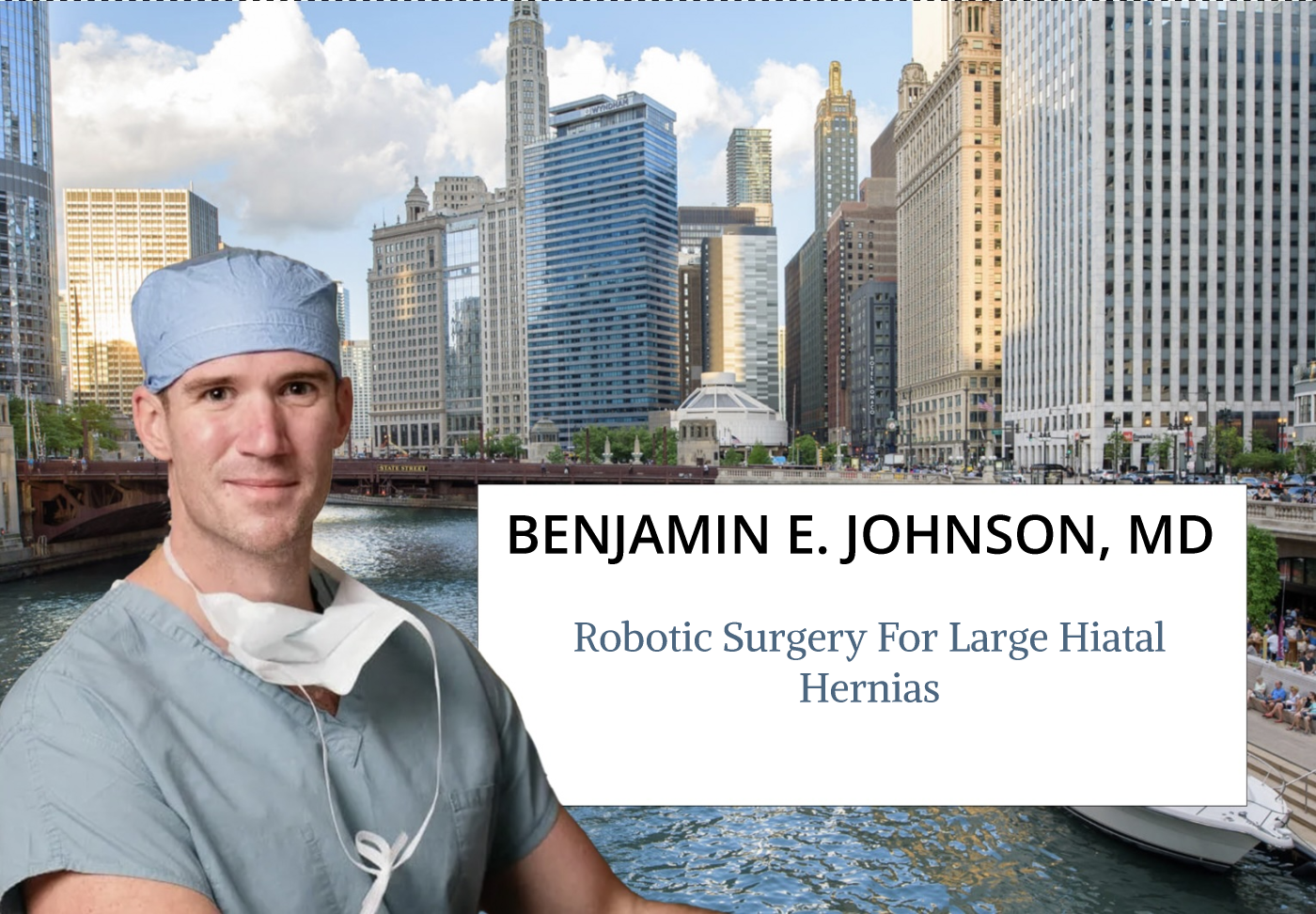
Many people facing a diagnosis of a large hiatal hernia may feel overwhelmed by the thought of surgery. With the advancement of robotic large hiatal hernia repair, patients in Chicago and beyond can now benefit from minimally invasive solutions that aim to improve outcomes and make recovery more manageable. This innovative approach uses state-of-the-art technology to assist surgeons in repairing large hernias of the diaphragm, giving patients more options and better control of their health journey. The process emphasizes precision, smaller incisions, and potential for less pain or scarring, making it a positive step for those worried about traditional invasive procedures. For those considering surgical intervention, understanding the benefits and process of robotic large hiatal hernia repair can help ease anxiety and encourage proactive decision-making. Our goal is to support you by demystifying this procedure, so you can move forward with confidence and clarity.
Understanding robotic large hiatal hernia repair procedures
A large hiatal hernia occurs when a substantial portion of the stomach pushes up through the diaphragm into the chest cavity. This can lead to symptoms such as severe acid reflux, chest pain, difficulty swallowing, or even shortness of breath. Robotic large hiatal hernia repair is a surgical option designed to correct this condition using advanced robotic assistance, providing surgeons with better visualization and control. For example, a person suffering from frequent regurgitation and chronic discomfort might find little relief from medications. In such cases, robotic repair allows for more precise manipulation of tissue and sutures compared to traditional surgery. Another typical scenario involves a patient whose hernia has led to complications with eating or respiratory issues. With robotic assistance, surgeons are able to perform complex repairs through smaller incisions, offering a much-needed alternative to open surgery. By embracing this method, patients may experience a smoother recovery while achieving long-term symptom relief.
The real-world importance of robotic large hiatal hernia repair
Robotic large hiatal hernia repair holds significance for many reasons, especially when it comes to improving patient quality of life and reducing healthcare complications. In real life, large hernias can disrupt daily routines and lead to ongoing pain or nutritional deficiencies, especially when left untreated. For many people, knowing these risks is enough motivation to consider the potential benefits of minimally invasive robotic surgery. As more medical centers, particularly in metropolitan areas like Chicago, invest in robotic technologies, more patients can benefit from this tailored treatment.
Choosing the right intervention can change outcomes considerably. Untreated or improperly managed large hiatal hernias can cause complications such as aspiration pneumonia or chronic esophagitis. With robotic surgery, surgeons can address the hernia with precise movements and improved ergonomics, which can mean a reduced chance of recurrence or surgical complications. The result is not only a safer procedure, but also a faster return to daily activities for patients who are eager to regain their independence.
- Scenario 1: A patient with an untreated large hiatal hernia may develop chronic reflux and esophageal inflammation, leading to a persistent cough and damaged tissue.
- Scenario 2: Someone managing a hernia with repeated hospitalizations can face interruptions to their job and family life, resulting in increased stress and lost income.
- Scenario 3: An elderly person with multiple conditions may be at higher risk for complications from traditional open surgery, but finds robotic repair safer and recovery quicker.
Breaking down the process of robotic large hiatal hernia repair in Chicago IL
- Step 1: Before surgery, your surgeon will review your health history and conduct necessary imaging to confirm the size and position of the hernia. Planning ensures the safest surgical approach.
- Step 2: On surgery day, small incisions are made for robotic instruments and a camera to enter the abdomen. The surgical robot gives the surgeon enhanced control and a magnified view of the area.
- Step 3: The hernia is repaired using precise, delicate movements to reposition the stomach and reinforce the diaphragm. After the procedure, most patients spend a brief time in the hospital for monitoring.
Expert suggestions for managing robotic large hiatal hernia repair with success
Your questions about robotic large hiatal hernia repair in Chicago IL answered
Ways Chicago Robotic Surgery serves and reassures patients
Chicago Robotic Surgery is committed to providing patients with high-quality, personalized care for conditions like large hiatal hernias. Their experienced surgical team combines compassion with expertise to guide patients at every stage, from diagnosis to recovery. Utilizing the latest in robotic technology, they offer a streamlined process and precise surgical solutions for improved outcomes. The clinic’s emphasis on education ensures that each patient understands their options and feels empowered throughout their healthcare journey. Clients benefit not only from surgical skill, but also from support services such as detailed preoperative planning and attentive post-surgical follow-up. By working with Chicago Robotic Surgery, patients can feel reassured about their care, confident in their surgeon’s abilities, and optimistic about a speedy, safe recovery.