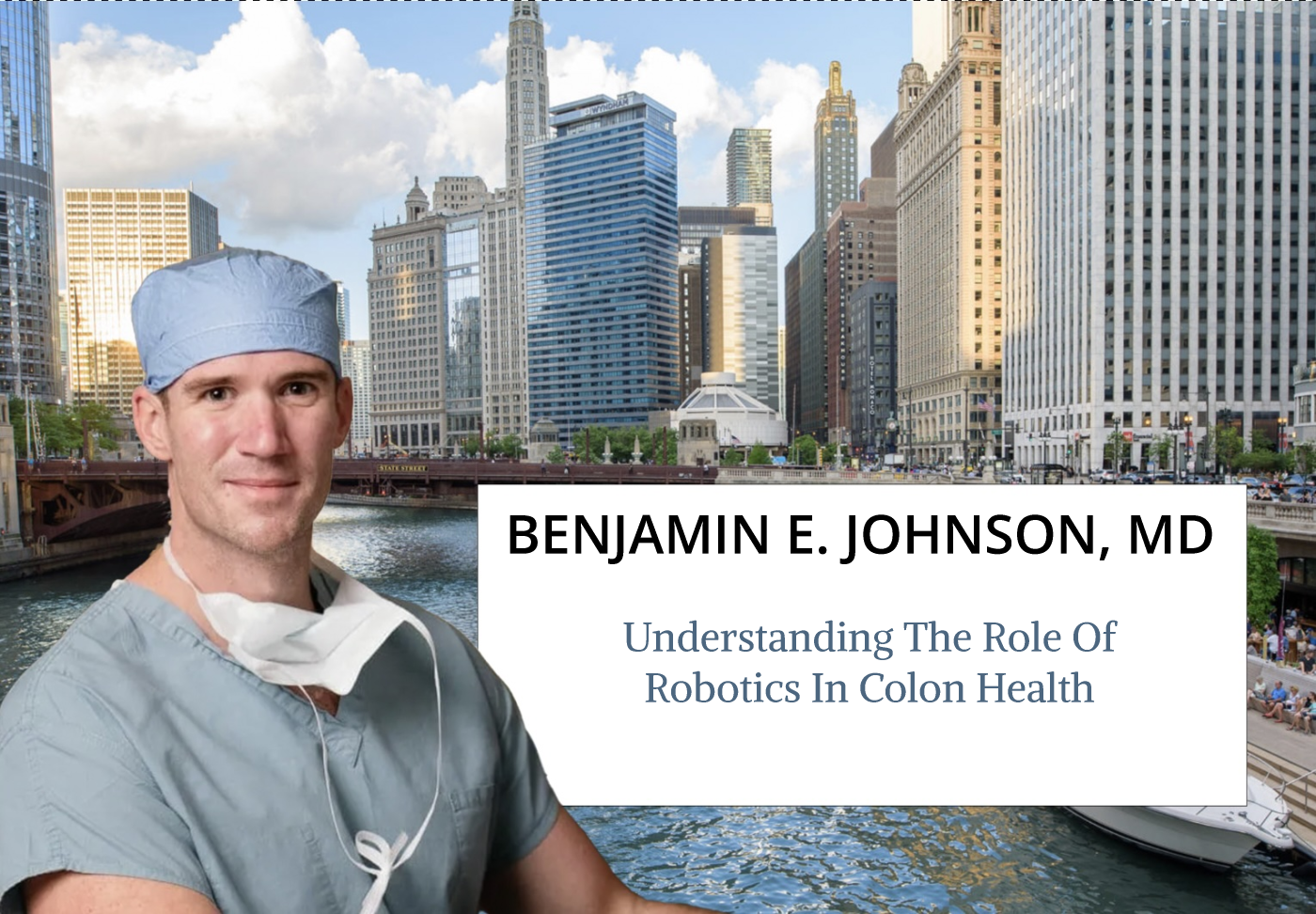
Many people are understandably anxious when it comes to colon health, especially if they have been told they need a complex medical procedure. Fortunately, advances in technology have given rise to robotic colon health procedures, offering patients safer, more accurate, and less invasive solutions. If you’re seeking care in Chicago, IL, understanding what these procedures involve and how they can improve outcomes is an important part of your journey. Robotics in medicine may sound intimidating, but they have become a cornerstone of modern colon health intervention, minimizing risks and enhancing recovery. Whether you’re worried about colon cancer, polyps, or other colorectal concerns, robotic systems can offer peace of mind by ensuring your care is both cutting-edge and compassionate.
Learning What Robotic Colon Health Procedures Really Means
Robotic colon health procedures refer to surgical or diagnostic techniques that use robotic systems to assist doctors during procedures on the colon. Instead of traditional open surgery or manual methods, these procedures rely on a surgeon who operates a robotic console that helps guide miniature instruments with high precision. An example is robotic-assisted colectomy, where a part or the entirety of the colon is safely removed using robotic arms. Another example is robotic polyp removal, which uses robotic technology for accurate targeting and delicate excision of polyps that could lead to colon cancer. The main advantage of robotics is enhanced control, leading to smaller incisions, minimal blood loss, and shorter recovery times. While the idea of robotics in medicine may seem futuristic, these procedures are quickly becoming standard practice for their safety and effectiveness, particularly in top medical centers across the country.
Why Innovation in Colon Care Really Makes a Difference
Robotic colon health procedures are transforming the landscape of digestive healthcare by providing distinct benefits to patients facing colorectal conditions. With increased precision and reduced complications, these procedures can produce better surgical outcomes and help individuals return to daily life quickly. Using robots allows for greater visualization, meaning surgeons can spot and address problems that may not be evident during traditional surgery. As a result, complex operations become more manageable, and patients can feel confident in the technology supporting their medical team.
The real-world advantages arise especially when a person’s situation is complex. For example, difficult-to-access tumors or polyps can be reached with the fine-tuned control offered by robotic arms. For older adults or those with underlying health issues, the reduced surgical trauma means less strain on their bodies. In communities like Chicago, where access to advanced medicine can be a deciding factor, the growth of robotic colon health procedures ensures more patients receive top-quality care without unnecessary risk. This approach isn’t just about technology; it’s about reshaping patient experiences and giving hope for a healthier future.
- Scenario 1: A patient with a history of abdominal surgeries needs another colon procedure. Traditional surgery would be high-risk, but robotic assistance significantly reduces complications by avoiding scar tissue, resulting in a safer recovery.
- Scenario 2: An individual with limited mobility is wary of an extended hospital stay. Robotic colon health procedures typically result in faster discharge and a quicker return home, minimizing the impact on quality of life.
- Scenario 3: Undetected polyps are discovered during screening. Robotic technology enhances the surgeon’s ability to identify and remove these growths entirely, lowering the risk of future cancer development.
Step by Step: How Robotic Colon Procedures Work in Chicago IL
- Step 1: The patient is evaluated by a qualified surgeon, who determines whether a robotic approach is appropriate based on their health history and specific condition.
- Step 2: During the procedure, the surgeon operates a robotic console, using specialized instruments and high-definition 3D cameras to perform precise movements inside the abdomen.
- Step 3: Once the procedure is complete, patients are monitored in recovery, often experiencing less pain and a shorter hospitalization compared to traditional surgery.
Expert Strategies for Navigating Robotic Colon Procedures Effectively
Common Questions About Robotic Colon Procedures in Chicago IL
How Chicago Robotic Surgery Stands by Its Clients
Chicago Robotic Surgery brings a wealth of experience and compassion to each patient’s journey. With highly trained surgeons who specialize in robotic colon health procedures, their team is committed to using advanced technology to deliver the best possible care. From the very first consultation to postoperative support, patients are guided through each step, ensuring that they feel understood and informed. The benefits of working with Chicago Robotic Surgery include reduced risk of complications, more comfortable procedures, and the added reassurance of having access to the latest innovations in medical science. Their approach not only prioritizes clinical excellence but also extends compassion to patients and families alike, providing peace of mind from diagnosis through recovery. By choosing a trusted team, individuals can rest easier knowing their well-being is the top priority.