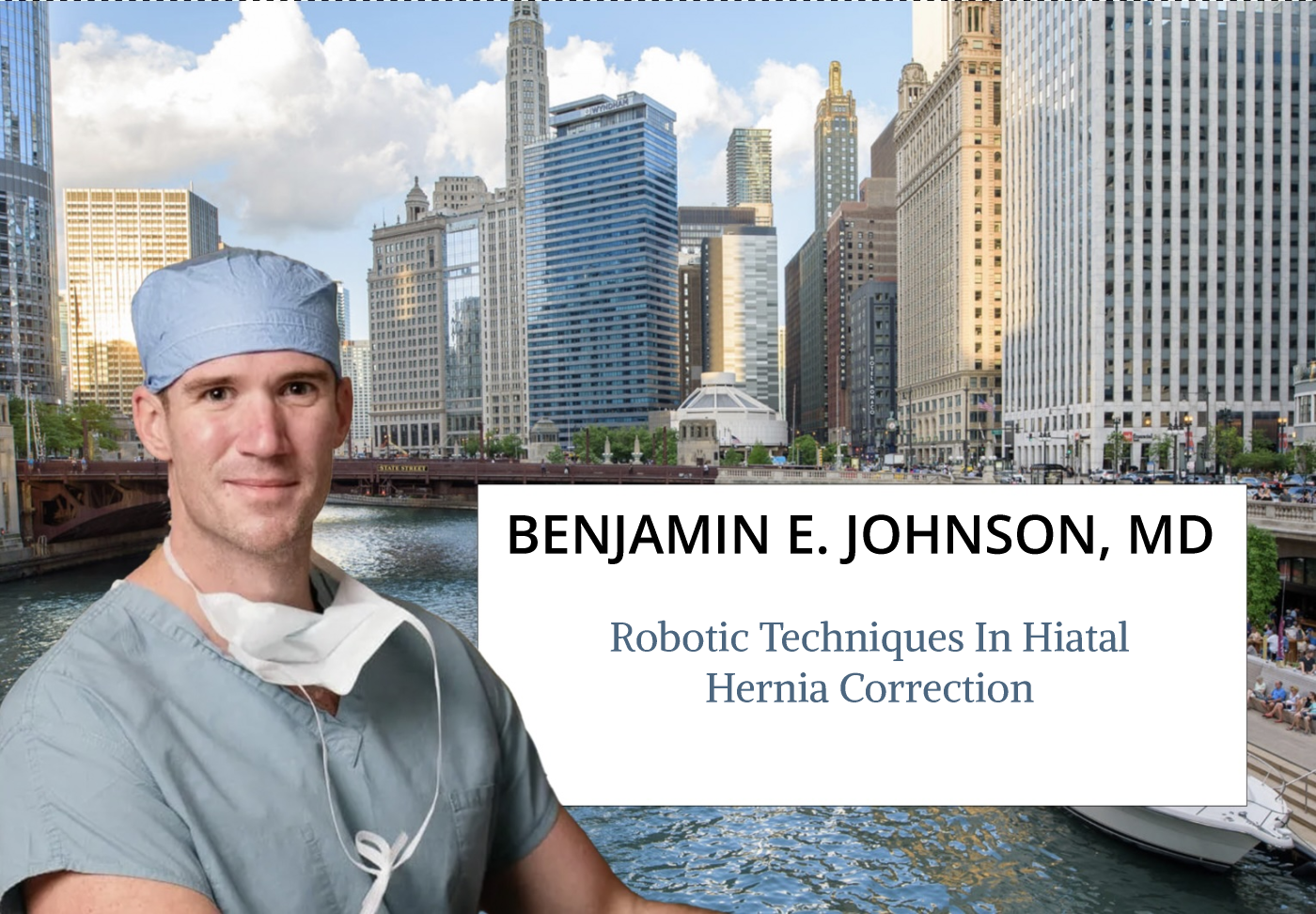
If you or someone you care about is suffering from the discomfort and disruption caused by a hiatal hernia, you know that finding the right solution is crucial for restoring quality of life. Fortunately, significant advances in technology have made robotic hiatal hernia correction a reliable and less invasive option for many. This transformative approach not only reduces the stress and recovery time often linked with traditional surgery but also delivers greater precision. For individuals in Chicago and beyond, robotic-assisted procedures provide hope for relief through innovative care. In this article, we will walk you through what robotic hiatal hernia correction involves, why it matters, what you can expect from the process, and how to make informed choices about your care.
Exploring Robotic Hiatal Hernia Correction in Simple Terms
A hiatal hernia occurs when part of the stomach bulges through the diaphragm into the chest, potentially causing discomfort, heartburn, difficulty swallowing, and even chest pain. Robotic hiatal hernia correction is a minimally invasive surgical method that uses robotic technology to repair this problem. Unlike open surgery, where a large incision is made, or traditional laparoscopy, which uses standard tools, robotic techniques allow for more flexibility and precision. Surgeons use a robotic system with tiny instruments and a high-definition camera, controlling movements through a console. For example, someone suffering from severe acid reflux due to a hiatal hernia may find significant relief after undergoing robotic surgery, returning to daily activities much faster than after open surgery. Another example could be an elderly patient, previously deemed high-risk for open surgery, now able to pursue repair due to the gentler nature of robotics. Robotic hiatal hernia correction marks an innovative step forward for patients and surgeons alike.
The Importance of Advancing Hiatal Hernia Care With Robotics
The real-world impact of robotic hiatal hernia correction extends well beyond the surgical table. Improved technology leads to fewer complications and a smoother recovery, benefiting both patients and their loved ones. People who once faced lengthy hospital stays with considerable pain can now return home sooner, experience less discomfort, and regain a sense of normalcy more quickly. Emotional relief is yet another positive outcome; dealing with ongoing digestive issues can take a toll on mental health, but effective correction means a renewed hope for well-being.
Robotic hiatal hernia correction also enables surgeons to provide high-quality care for patients with complex or recurring hernias, which may once have posed a challenge for traditional methods. With enhanced 3D visualization and micro-precise instruments, even previously “untreatable” cases can see excellent results. Here are a few real-world scenarios and their consequences:
- A busy parent puts off addressing recurring heartburn because of fears about recovery time, but robotic surgery allows a return to routine in days, not weeks.
- An athlete faces a hiatal hernia and is worried about long-term performance; after a robotic procedure, they are back to training with minimal downtime.
- An elderly patient with multiple health concerns is considered unfit for open surgery, but a robotic approach presents a safer, less traumatic avenue for relief.
How Robotic Hiatal Hernia Correction Works in Chicago Explained
- Step 1: The patient is carefully evaluated by a surgeon specializing in hiatal hernia repair, who reviews symptoms, conducts imaging, and confirms the diagnosis.
- Step 2: On the day of surgery, the patient is given anesthesia, and small incisions are made in the abdomen. The surgeon operates a robotic system from a console, guiding tiny surgical instruments with precision.
- Step 3: The hernia is repaired; the stomach is gently moved back into place, the opening in the diaphragm is tightened, and, if needed, mesh is placed to reduce the chance of recurrence. Most patients return home the same day or after a short stay.
Expert Strategies for Navigating Robotic Hiatal Hernia Correction
Common Questions About Robotic Hiatal Hernia Correction in Chicago Answered
Trusted Support from Chicago Robotic Surgery for Hiatal Hernia Patients
When facing the decision for robotic hiatal hernia correction, having a compassionate and skilled team makes all the difference. Chicago Robotic Surgery is dedicated to guiding individuals through every step of the process, from initial consultation to full recovery. Their surgical team brings years of experience in minimally invasive and robotic procedures, ensuring each patient receives personalized, attentive care. With access to the latest technology and a thorough understanding of each case, they help patients feel empowered and informed. Whether you are dealing with a new diagnosis or considering revision surgery, Chicago Robotic Surgery provides support, clear communication, and a track record of positive outcomes. The result is better physical health and peace of mind for you and your loved ones.