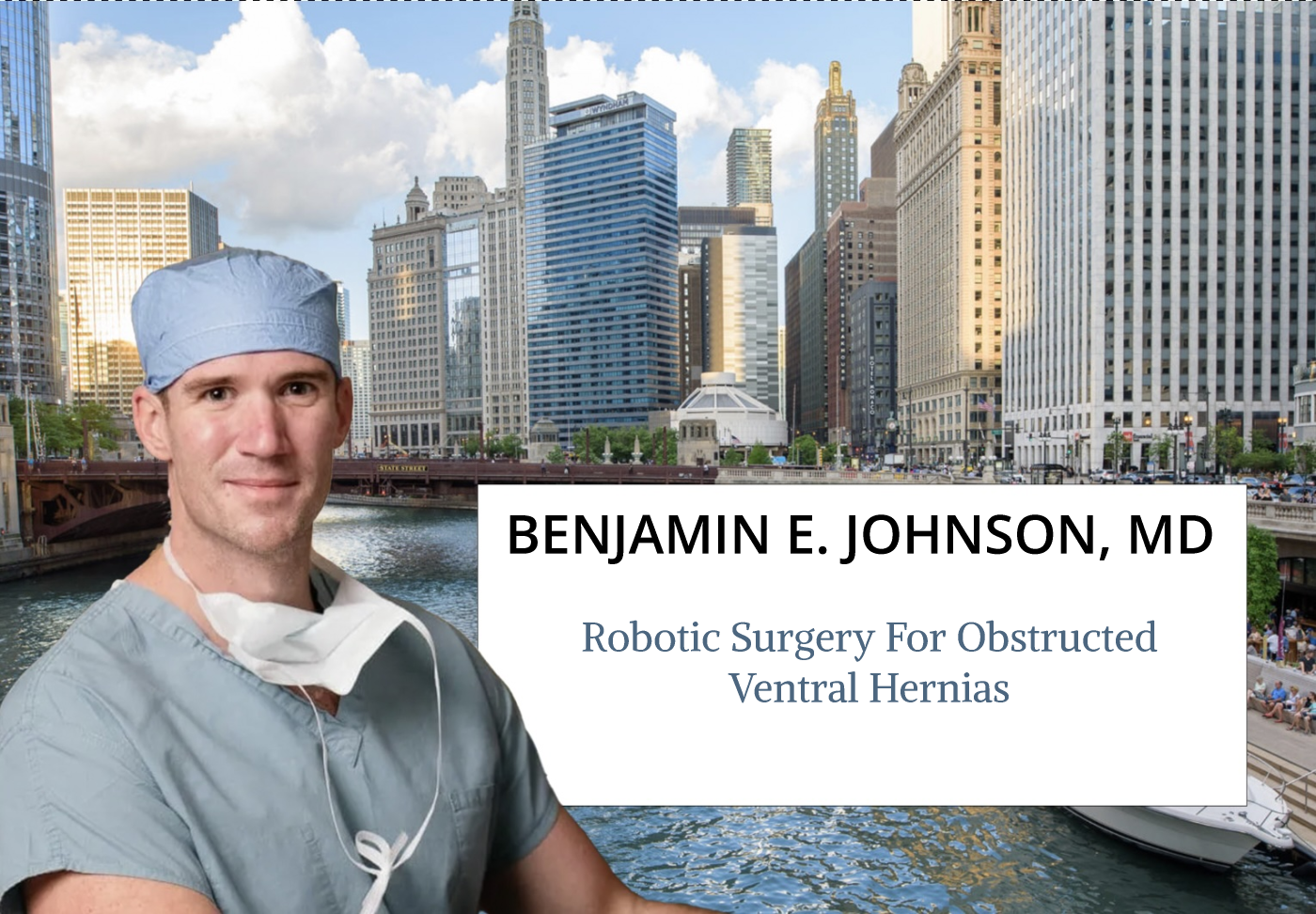
Living with a ventral hernia can cause discomfort, pain, and emotional distress, especially when complications like obstruction occur. When a ventral hernia becomes obstructed, it can lead to severe health concerns that demand prompt, effective care. Obstructed ventral hernia robotic repair offers patients in Chicago an innovative, minimally invasive solution that promotes faster recovery and improved surgical precision. Many who face hernia repair surgery are understandably anxious about risks, downtime, and results. Fortunately, robotic technologies bring hope and reassurance to those who want to address hernia complications efficiently and safely. This article explores how obstructed ventral hernia robotic repair is changing the surgical landscape, empowering both patients and providers with advanced care options.
Overview of obstructed ventral hernia robotic repair
Obstructed ventral hernia robotic repair is a cutting-edge surgical procedure designed to address hernias that have become blocked or trapped. A ventral hernia occurs when tissue bulges through a weakness in the abdominal wall. When that tissue or intestine becomes squeezed so tightly that it cannot move back into place, it is considered obstructed. This can seriously impact blood flow and digestive functions, causing pain, swelling, nausea, and sometimes life-threatening consequences.
Robotic surgery uses advanced robotic systems, controlled by a surgeon, to operate through small incisions. For example, a patient experiencing bowel obstruction from a ventral hernia might benefit from robotic repair, which allows for better visualization and delicate handling of tissues. Another example is an individual with a recurring hernia after previous open surgery, who may have less scarring and a quicker recovery with robotic techniques. The robotic approach offers high precision, less trauma, and improved healing potential compared to traditional open surgery.
The importance of robotic repair for obstructed ventral hernias
Addressing an obstructed ventral hernia is often urgent, as delayed treatment can cause severe complications. Robotic repair has become important not only for its clinical effectiveness but for the meaningful impact it has on patient recovery and quality of life. Patients in Chicago benefit from shorter hospital stays, reduced pain, and fewer complications, making this technology a popular choice for hernia repair.
Consider these common scenarios: an individual with an untreated obstructed hernia may face prolonged hospitalizations, complex medical treatments, or even emergency surgery. Another person may worry about returning to work or family duties; robotic repair can help minimize downtime and improve their overall experience. For those with health conditions that increase surgical risk, robotic procedures can lower the chance of complications such as infection or delayed healing.
- Scenario 1: A patient waits too long to seek treatment, resulting in bowel strangulation and emergency surgery with a long recovery time.
- Scenario 2: An individual with a physically demanding job fears months away from work, but robotic repair allows a much faster return to normal activities.
- Scenario 3: Someone with a history of surgical site infections finds added peace of mind from the minimally invasive, precise nature of robotic hernia repair.
A closer look at how obstructed ventral hernia robotic repair works in Chicago IL
- Step 1: Preoperative evaluation assesses your symptoms, hernia severity, and overall health to create a personalized treatment plan.
- Step 2: On the day of surgery, the surgeon uses a robotic platform to make small incisions, insert surgical instruments, and visualize the hernia area in high definition.
- Step 3: The hernia is repaired by carefully releasing any trapped tissue, reinforcing the abdominal wall, and closing the incisions to promote rapid healing and lower recurrence risk.
Best practices for managing obstructed ventral hernia robotic repair for optimal outcomes
Your questions answered about obstructed ventral hernia robotic repair in Chicago IL
How Chicago Robotic Surgery serves its clients
Chicago Robotic Surgery is committed to guiding patients through every step of the obstructed ventral hernia robotic repair process. Their skilled surgeons offer comprehensive assessments, individualized care plans, and state-of-the-art technology aimed at achieving outstanding outcomes. Clients benefit from a team that emphasizes safety, communication, and comfort throughout the surgical journey. From the initial consultation to postoperative follow-up, Chicago Robotic Surgery ensures patients receive not just advanced technical skill, but also compassionate support and clear information. Their focus on minimally invasive techniques helps patients get back to daily life sooner, with fewer complications and greater peace of mind.