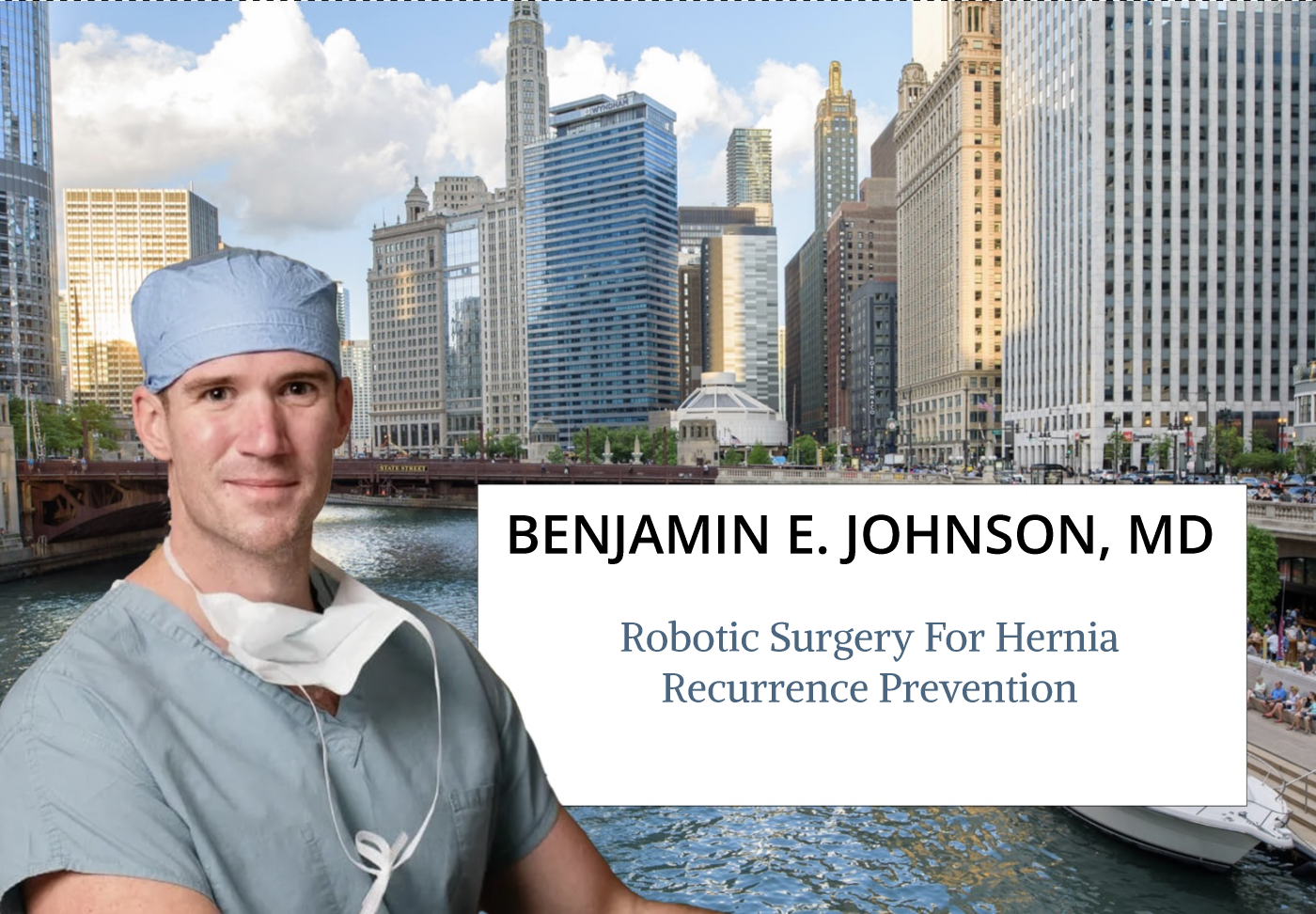
Suffering from a hernia can be both frustrating and painful, but discovering that the issue has returned after surgery can be even more disheartening. Thankfully, advancements in hernia recurrence prevention robotics are offering hope and reassurance to individuals seeking lasting relief. If you or your loved one is facing the possibility of hernia surgery, you might wonder if today’s technology could help prevent a recurrence. By understanding how robotics can support hernia repair, individuals in Chicago and beyond can feel empowered to make informed, confident decisions about their health. It is normal to feel anxious when considering a surgical procedure, but with the growth in precision and effectiveness brought by robotics, the outlook for future well-being is brighter than ever.
Understanding the Basics of Robotics in Hernia Recurrence Prevention
Hernias occur when an internal part of the body pushes through a weak spot in muscle or tissue, leading to noticeable bulging and discomfort. Preventing a hernia from coming back after repair is a top priority, and this is where hernia recurrence prevention robotics comes in. Robotic-assisted procedures use advanced technology to help surgeons operate with greater accuracy and consistency, reducing the chances of future complications. For example, a patient who has already had a traditional hernia repair and experienced recurrence may benefit from a robotic approach that offers improved visualization of tissue and more precise placement of surgical mesh. Another case might involve someone with a complex or large hernia, where robotics can help ensure thorough reinforcement of the weakened area, supporting a durable recovery. By combining skilled surgical techniques with robotic assistance, the likelihood of recurrence can be reduced, leading to better long-term outcomes for patients.
The Importance of Robotics in Preventing Hernia Recurrence
Choosing to address hernia recurrence with robotics makes a genuine difference in patients’ lives. Individuals who have previously undergone hernia repair know how disruptive the recovery process can be and how emotionally taxing it can feel if the hernia returns. Robotic surgery not only boosts the chances of a successful repair, but its minimally invasive nature may also lead to a faster recovery, less discomfort, and lower overall risk of associated complications. Patients can resume everyday activities more rapidly and feel secure that the procedure has addressed the underlying weakness effectively.
Additionally, the growing adoption of hernia recurrence prevention robotics reflects a strong commitment to patient safety and quality care among surgeons and healthcare facilities in Chicago. Healthcare teams can tailor their approach to each individual case, whether the surgery is for a complex abdominal wall defect or a smaller umbilical hernia. These improvements translate to enhanced peace of mind for patients and their families, knowing that the chosen treatment is based on the latest scientific knowledge and supported by state-of-the-art technology.
- Imagine someone who has undergone multiple hernia repairs. Without effective prevention, another recurrence could lead to repeated operations and significant emotional distress.
- Consider a physically active person whose hernia recurs frequently. This could result in lost workdays, ongoing pain, and limits on their favorite activities.
- For elderly patients, repeated hernia corrections can heighten surgical risks and lengthen recovery, impacting their overall quality of life.
How the Robotics Process Works for Hernia Recurrence Prevention in Chicago IL
- Step 1: After a thorough consultation, a personalized surgical plan is developed, taking into account your medical history and the specifics of your hernia.
- Step 2: During the procedure, the surgeon uses robotic instruments guided by a high-definition camera. These instruments provide increased precision, control, and visualization compared to traditional methods.
- Step 3: The surgeon repairs the hernia defect, often using a surgical mesh for added support, and ensures reinforcement of weakened tissues to minimize the risk of recurrence before carefully closing the small incisions.
Effective Strategies for Managing Robotic Hernia Recurrence Prevention
Answers to Common Questions About Robotic Hernia Recurrence Prevention in Chicago IL
How Chicago Robotic Surgery Helps Clients Move Forward
Chicago Robotic Surgery is devoted to supporting clients at every stage of the hernia recurrence prevention journey. Their surgical team is highly experienced in advanced robotic procedures, ensuring each patient receives individualized care. With a comprehensive approach that considers both the physical and emotional impacts of hernia recurrence, their specialists prioritize education, preparation, and long-term wellness. From the first consultation through post-operative recovery, Chicago Robotic Surgery keeps communication open, answering questions promptly and providing resources for patients and loved ones. By focusing on preventative strategies using state-of-the-art robotics, clients gain confidence that their care is grounded in best practices, supported by technology, and delivered with empathy. This commitment brings peace of mind and enables patients to reclaim their quality of life with the least amount of disruption possible.