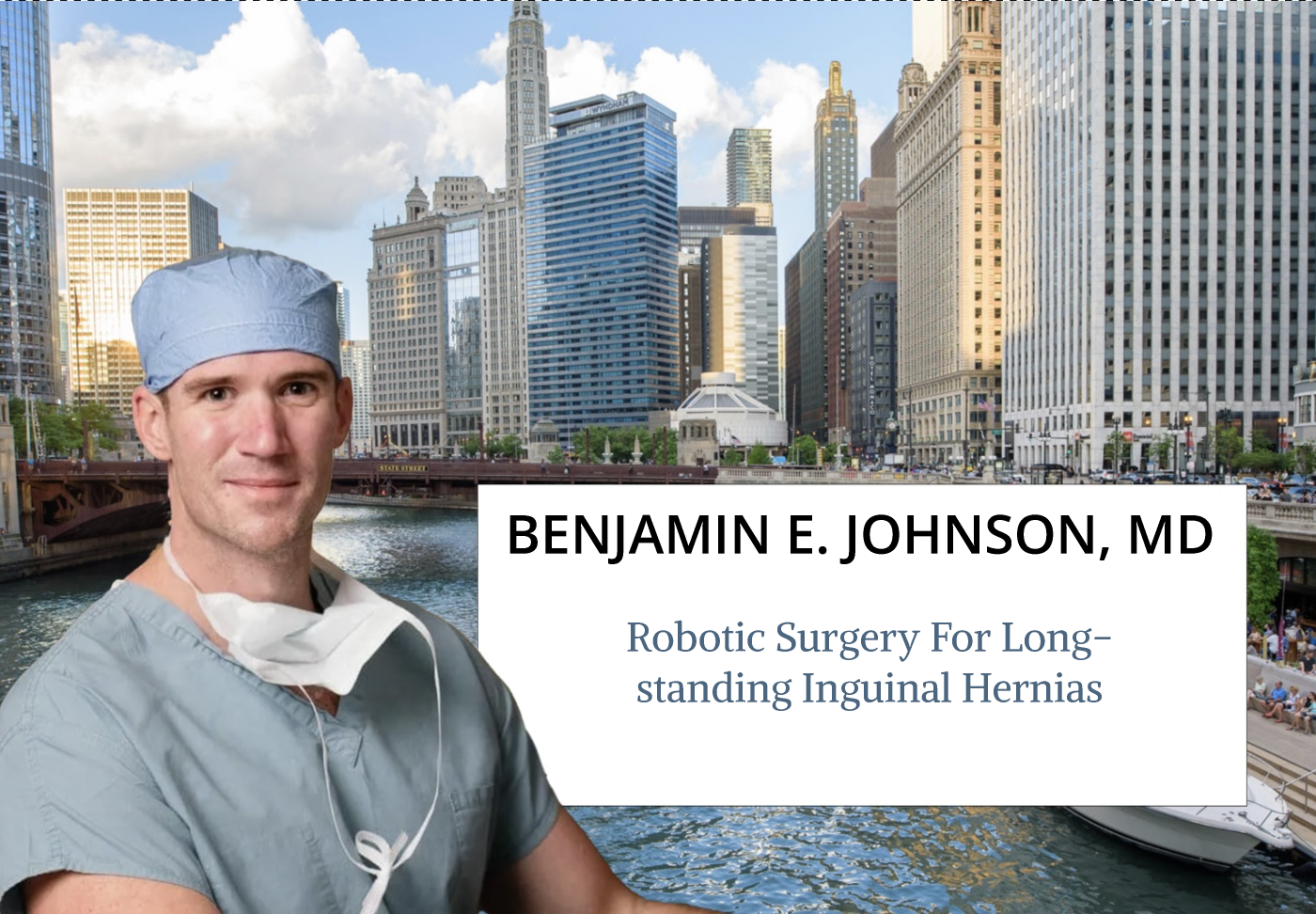
Living with a chronic inguinal hernia can be both uncomfortable and concerning, especially when it has persisted for years without effective relief. Chronic inguinal hernia robotic repair has emerged as a modern and precise approach for individuals facing this ongoing issue. Many patients in Chicago, IL, have struggled with symptoms like groin pain, swelling, and restricted activity, often finding that traditional treatments no longer provide lasting relief. Fortunately, advances in robotic surgical techniques are changing how these long-standing hernias are managed. This innovative procedure not only brings hope for less pain and quicker recovery, but also provides patients with confidence in a minimally invasive option that is tailored for chronic cases. When ongoing discomfort impacts work, family, or mobility, understanding your surgical options and knowing what to expect from chronic inguinal hernia robotic repair can make a life-changing difference.
Background – Understanding chronic inguinal hernia robotic repair
A chronic inguinal hernia refers to a condition where tissue pushes through a weak spot in the lower abdominal muscles near the groin and remains or returns over a long period, sometimes years. Unlike acute hernias, chronic ones tend to be stubborn or resistant to earlier procedures. For example, an individual who had traditional hernia repair five years ago but experiences recurring bulging and pain may now need a more advanced approach. Robotic repair uses cutting-edge technology, allowing surgeons to manipulate tiny instruments inside the body with greater accuracy and flexibility. This method can be especially valuable when dealing with scar tissue, recurrent hernias, or anatomy complicated by earlier repairs. Patients benefit from a technique that provides a magnified, 3D view, giving surgeons the ability to make precise repairs that reduce recurrence and improve comfort.
The importance of robotic repair for chronic inguinal hernia patients
Chronic inguinal hernias do much more than cause physical discomfort; they have a pronounced impact on daily quality of life. Robotic repair for chronic hernias stands out because it addresses the unique challenges of patients who have endured symptoms for an extended period. Without an effective intervention, symptoms such as constant aching, visible bulging, and the risk of further complications can linger indefinitely. Robotic surgery aims to restore normalcy, lower recurrence risk, and minimize downtime, helping patients reclaim an active and pain-free lifestyle.
When left untreated or improperly managed, chronic inguinal hernias may aggravate over time, leading to additional medical or even legal complexities. Patients might experience loss of earnings due to missed workdays, or emotional distress due to prolonged health issues. By offering a solution that is both minimally invasive and highly successful, chronic inguinal hernia robotic repair lessens these burdens and brings true, long-term relief.
- Scenario 1: A construction worker with a chronic inguinal hernia struggles to lift heavy materials, causing him to lose income from missed shifts.
- Scenario 2: A retiree endures persistent groin pain, eventually developing an infection after repeated hernia recurrences and delayed treatments.
- Scenario 3: A busy parent hesitates to pursue surgery due to fear of scarring, only to have increasing symptoms interfere with daily childcare and errands.
A closer look at how chronic inguinal hernia robotic repair works in Chicago IL
- Step 1: Patients consult with a board-certified surgeon, who reviews medical history and assesses the hernia using imaging and a physical exam. The surgeon determines eligibility for robotic repair.
- Step 2: During surgery, the patient receives anesthesia, and the surgeon uses robotic arms and tiny incisions to access the hernia site. Visualization is enhanced with high-definition 3D cameras.
- Step 3: The surgeon carefully repairs the weakened abdominal wall, often using surgical mesh for reinforcement. Most patients go home the same day and begin recovery with minimal pain.
Top strategies for effectively managing chronic inguinal hernia robotic repair
Frequently asked questions about chronic inguinal hernia robotic repair in Chicago IL
How Chicago Robotic Surgery assists patients and delivers peace of mind
Chicago Robotic Surgery is dedicated to supporting patients through every stage of chronic inguinal hernia robotic repair. Their experienced surgical team provides thorough evaluations, advanced diagnostic tools, and personalized care plans to ensure each patient’s approach is tailored to their medical history and lifestyle needs. By specializing in minimally invasive robotic techniques, the clinic delivers not only greater precision but also faster recovery times and reduced complications. Patients are fully informed about their options and can rely on clear communication, from the first consultation to follow-up care. The compassionate staff strives to alleviate anxiety, offering education and guidance that empower patients to take charge of their health and future. When trust, skill, and empathy converge, patients find lasting relief and genuine peace of mind.