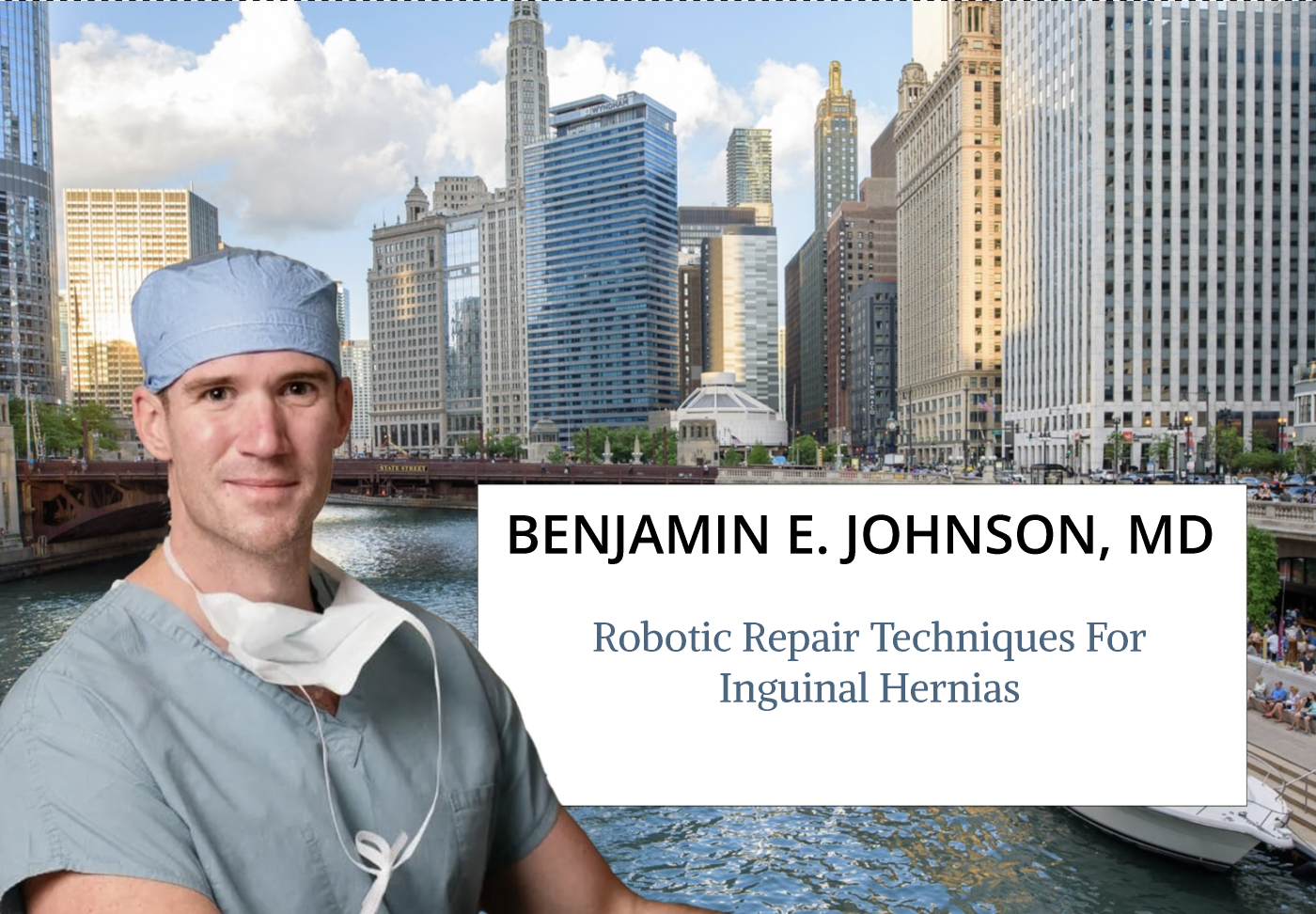
For many people, the diagnosis of an inguinal hernia is stressful, often accompanied by worries about pain, daily activity limitations, and potential surgery. Robotic repair inguinal hernias has become a groundbreaking option for those seeking advanced, minimally invasive treatment. This innovative approach offers patients the chance to recover more quickly and with less discomfort than traditional methods. Understanding your treatment options and how they may impact your quality of life is essential, especially when making critical healthcare decisions. Whether you are newly diagnosed or supporting someone through their health journey, knowing the latest advancements in robotic repair inguinal hernias can provide reassurance and hope for a smoother recovery.
Understanding Robotic Repair for Inguinal Hernias in Everyday Terms
Robotic repair inguinal hernias refers to a modern surgical technique designed to fix hernias that develop in the groin area. A hernia occurs when tissue, such as part of the intestine, pushes through a weak spot in the abdominal wall, typically causing discomfort, swelling, or a noticeable bulge. Using robotic technology, surgeons can operate through tiny incisions while controlling robotic arms that offer unparalleled precision. For instance, a patient with a small, painful lump in their lower abdomen might undergo robotic hernia surgery. Another individual with recurring hernias after past operations may finally remove the problem with this advanced technique. The tools and camera used in robotic surgery allow for a clearer view and steadier movement, which can mean better outcomes and faster healing. This technique blends the expertise of a skilled surgeon with the advantages of technology, raising the standard for surgical care.
The Significance of Robotic Repair for Inguinal Hernias
Choosing robotic repair inguinal hernias is not just about accessing the newest technology, but also about improving patient experiences and outcomes. In many cases, traditional open surgery may require larger incisions, increased pain, and longer recovery times, all of which can disrupt a person’s life. The ability for a surgeon to perform complex movements with great accuracy results in less tissue damage and promotes faster healing. This has meaningful implications for anyone needing hernia repair, as it can lead to less time away from work, improved self-confidence, and a quicker return to life’s routines.
When left untreated or handled with outdated methods, an inguinal hernia may lead to serious complications like strangulation of intestinal tissue or chronic pain. Robotic techniques help prevent complications and often translate to shorter hospital stays. Ultimately, quality of life improves, as patients regain comfort, mobility, and peace of mind more rapidly.
- Delaying treatment can cause a hernia to worsen, increasing the risk of emergency surgery and more prolonged recovery.
- Relying solely on traditional techniques might lead to more noticeable scars or persistent pain, causing frustration or embarrassment.
- Opting for robotic repair inguinal hernias may reduce the chance of hernia recurrence, allowing patients to enjoy their favorite activities without fear.
A Closer Look at Robotic Repair Inguinal Hernias Procedures in Chicago IL
- Step 1: The patient meets with their surgeon to discuss symptoms, review medical history, and confirm the diagnosis of an inguinal hernia. Imaging or physical examinations may be conducted to ensure clarity.
- Step 2: On the day of surgery, the patient receives anesthesia for complete comfort. The surgeon operates at a console, directing small robotic instruments through tiny incisions in the abdomen.
- Step 3: The hernia is carefully repaired by placing mesh to close the weak spot. The robotic system allows for high precision, minimizing trauma to nearby tissue and ensuring secure placement. Recovery starts shortly after in many cases, with patients often returning home the same day.
Best Practices for Successfully Navigating Robotic Hernia Repair
Answers to Common Questions About Robotic Inguinal Hernia Repair in Chicago IL
The Role of Chicago Robotic Surgery in Supporting Patients Needing Hernia Repair
Chicago Robotic Surgery has earned a reputation for delivering not only advanced surgical procedures but also comprehensive patient support. Their team consists of experienced professionals who prioritize patient safety and comfort from pre-surgical consultation to post-operative recovery. Clients are guided through every stage of their journey, receiving clear explanations, prompt responses to questions, and access to the latest surgical options. The clinic leverages cutting-edge robotic technology, allowing for highly specialized and precise operations. As a result, patients benefit from faster recovery, minimal scarring, and less disruption to their daily routines. With a compassionate, client-centered approach, Chicago Robotic Surgery helps patients feel confident in their decision, providing peace of mind during a time that can otherwise be filled with uncertainty.