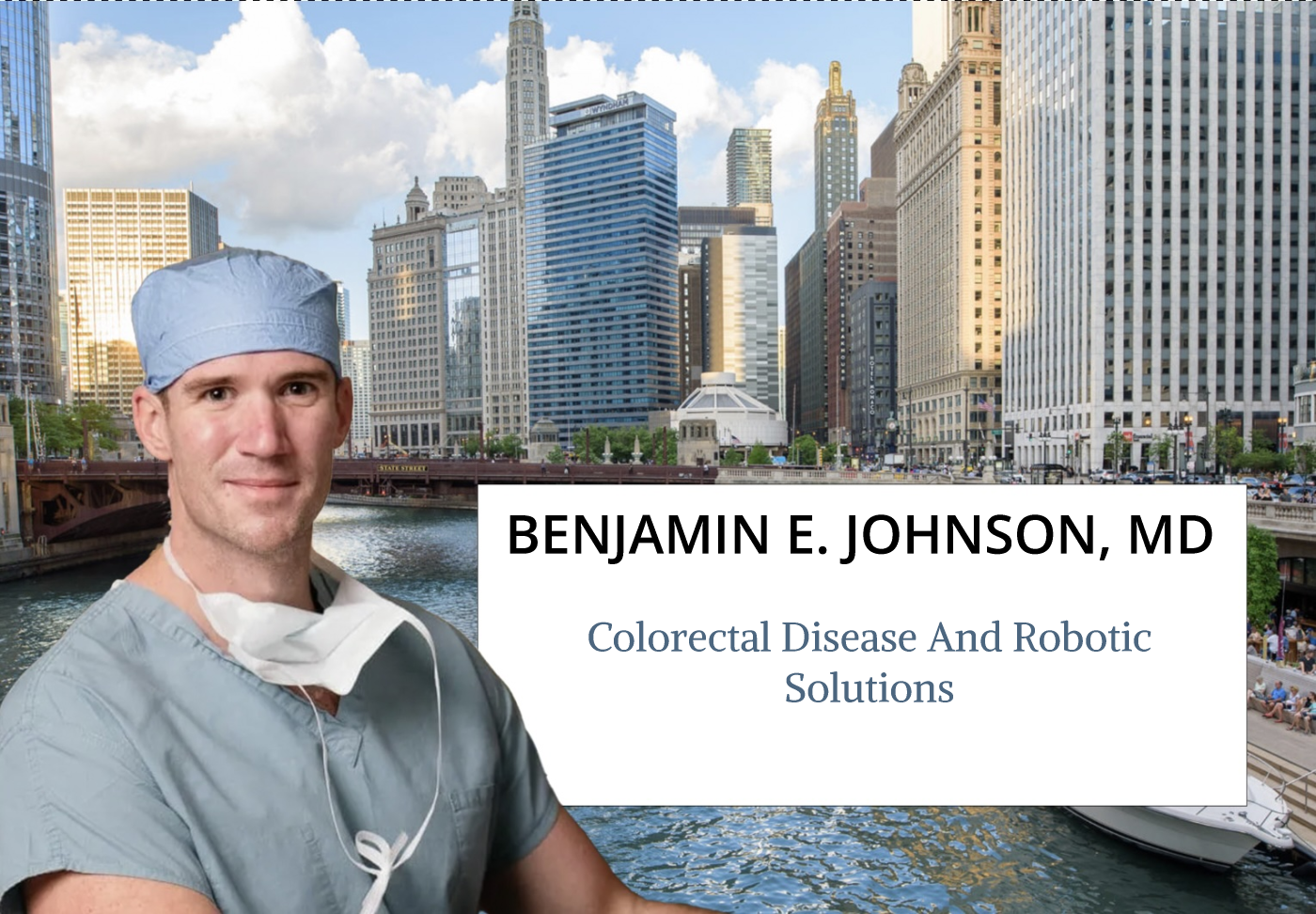
Colorectal disease can be a deeply personal and sometimes overwhelming diagnosis, affecting people’s health, activity levels, and quality of life. The good news is that medical technology continues to advance, and today, robotic solutions for colorectal disease are offering new hope to patients. These solutions use the latest robotic-assisted surgical techniques, designed to make procedures less invasive, decrease complications, and promote a smoother recovery. For those in Chicago and beyond, the shift toward robotic technology means surgeons can now operate with greater precision while minimizing discomfort and downtime for patients. If you or a loved one is facing a colorectal condition, knowing that robotic solutions exist may help relieve anxiety and build confidence about the road ahead.
Understanding the Basics – What are robotic solutions for colorectal disease
Robotic solutions for colorectal disease refer to advanced medical procedures that use robotic-assisted technology to diagnose and treat conditions affecting the colon and rectum. This approach leverages specialized systems, allowing surgeons to perform complex tasks with improved accuracy and control. For example, a patient with colorectal cancer might benefit from robotic surgery, where tiny incisions and precise movements aid in removing tumors while protecting healthy tissue. Similarly, someone dealing with diverticulitis—a painful inflammation of the colon wall—can undergo minimally invasive robotic surgery, which typically results in smaller scars and faster recovery than traditional open surgery. Robotic-assisted techniques have transformed how colorectal conditions are addressed, combining innovation with compassionate care for better patient outcomes.
The Importance of Robotic Advancements in Treating Colorectal Disease
Innovative robotic systems are reshaping the landscape of colorectal care by increasing accuracy, shortening hospital stays, and reducing complication rates. When a surgeon uses robotic solutions for colorectal disease, the enhanced vision and flexibility of these tools support better decision-making and more targeted intervention. This is more than simply a technical upgrade, as it directly influences the quality of care each patient receives. Faster recoveries and fewer complications mean less disruption to everyday life and work.
For individuals coping with colorectal symptoms, the difference can be life-changing. For example, rather than facing weeks of pain and immobility following conventional open surgery, patients who choose a robotic approach can often expect to resume daily activities sooner. Robotic solutions can also minimize the risk of postoperative infection and discomfort, making life after treatment more manageable. Families benefit too, since improved patient outcomes translate into less stress for both those undergoing treatment and their loved ones.
- A middle-aged patient requires surgery to remove a benign colorectal tumor. Without robotics, recovery could mean extended time off work and possible complications. Robotic solutions provide faster healing and a safe outcome.
- An older adult with a history of heart conditions faces potential risks during traditional open colorectal surgery. Robotic technology minimizes incision size and reduces surgical trauma, lowering cardiac stress and risks.
- A young adult with early-stage cancer opts for robotic-assisted surgery. The reduced pain and improved precision safeguard fertility and preserve healthy bowel function, which supports future quality of life.
A Step-by-Step Guide on How Robotic Colorectal Procedures Are Done in Chicago IL
- Step 1: Your care begins with thorough diagnostic testing and consultation. Surgeons use detailed imaging to determine if a robotic approach is appropriate for your condition.
- Step 2: On surgery day, small incisions are made. A robotic system with specialized arms and a high-definition camera enables the surgeon to operate from a console, offering precise movements.
- Step 3: After the procedure, patients are monitored closely then given a tailored recovery plan. The minimally invasive nature of robotic solutions often allows for shorter hospital stays and smoother transitions back to everyday routines.
Top Strategies for Success With Robotic Colorectal Care
Your Questions Answered About Robotic Colorectal Surgery in Chicago IL
The Chicago Robotic Surgery Team’s Commitment to Client Care
Chicago Robotic Surgery is dedicated to making state-of-the-art care accessible to individuals and families affected by colorectal disease. The group’s experienced surgeons are skilled in the latest robotic techniques and understand the anxiety and uncertainty these diagnoses can create. By offering tailored consultations, explaining each step of the process, and delivering compassionate postoperative care, Chicago Robotic Surgery ensures each client receives individualized support. Their commitment extends beyond technical expertise; the staff focuses on communication, empowering clients to participate in their care decisions, and providing reassurance before, during, and after surgery. Choosing their services means partnering with a team that puts your safety, comfort, and long-term well-being first, giving you peace of mind every step of the way.
TLDR Key Insights on Robotic Solutions for Colorectal Disease
If you are dealing with colorectal disease, robotic solutions are transforming both the experience and the outcomes for patients. These advanced techniques use surgical robots to improve precision, limit invasiveness, and shorten recovery time while ensuring high standards of safety. Chicago Robotic Surgery stands ready to deliver expertise and support so you can move forward with greater confidence.