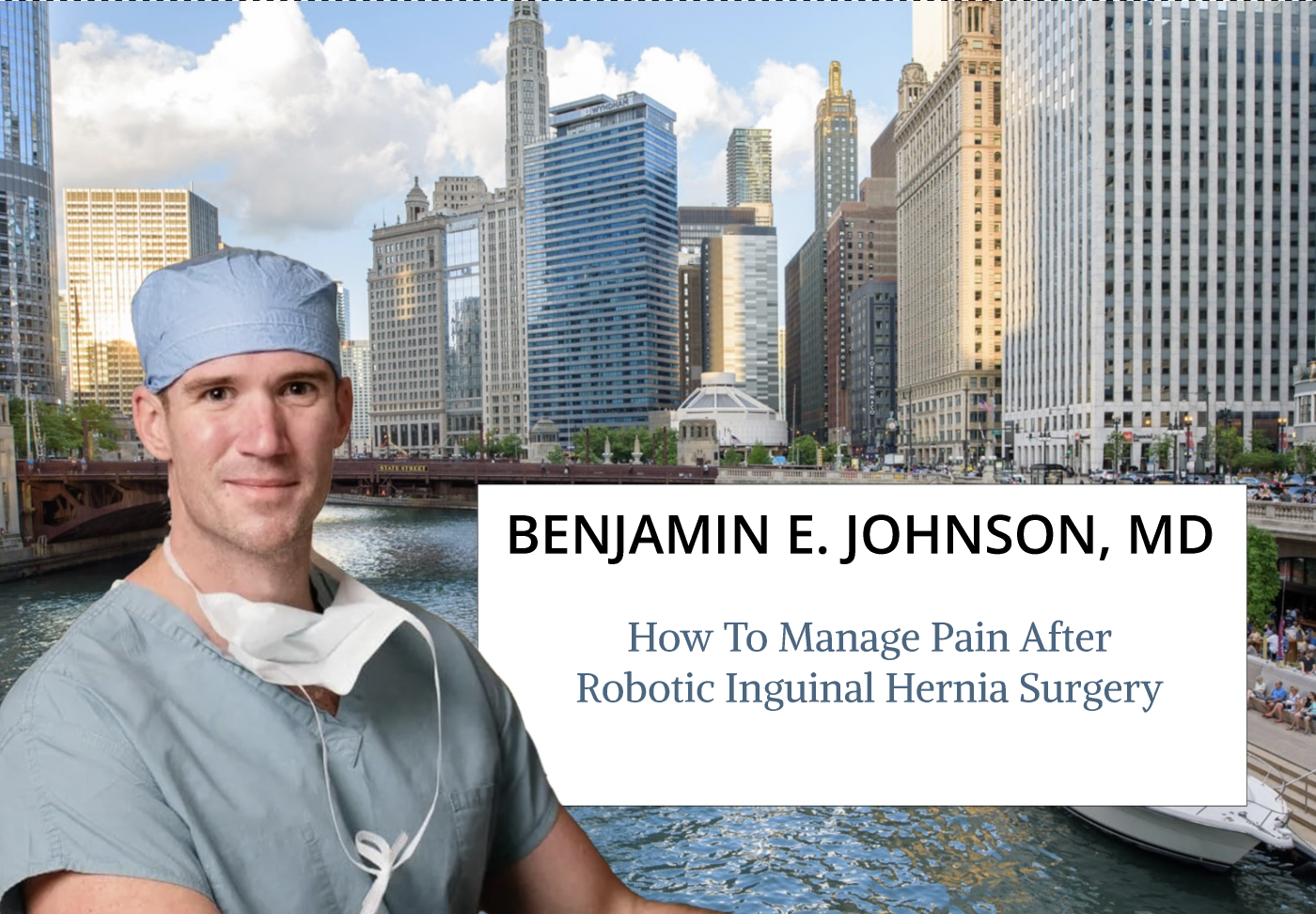
Recovering from a robotic inguinal hernia procedure can be both a relief and a challenge. While robotic technology often means smaller scars and a quicker return to daily life, discomfort is still a natural part of the healing process. Robotic inguinal surgery pain relief is an essential focus for anyone hoping to resume normal activities smoothly and efficiently. Whether you are preparing for surgery or supporting a loved one, understanding what to expect can ease anxiety. Every patient’s body responds differently, and pain levels can vary based on health, age, and the nature of the surgery. The good news is that effective pain management strategies are within your reach, and these can make a significant difference in your post-surgery experience. By knowing what options and resources are available in Chicago, IL, you can feel empowered to take an active role in your recovery journey.
Understanding the Basics What Does Robotic Inguinal Surgery Pain Relief Mean
Robotic inguinal surgery pain relief refers to the approaches, medications, and supportive care designed to minimize and control pain following a robotic inguinal hernia operation. This type of hernia repair uses advanced robotic technology to perform the surgery through small incisions. As a result, pain is often less severe than with traditional open methods, but it still requires careful management. For example, some patients experience mild soreness at incision sites, while others might struggle with discomfort due to swelling or muscle tension. Pain relief can range from prescription and over-the-counter medications to non-drug methods like ice packs, rest, and gentle movement. Knowing the available options gives patients and families the best chance to heal comfortably and maintain quality of life. It also helps patients return to work, family obligations, and enjoyable activities in less time—with less stress.
Why Effective Pain Relief After Robotic Inguinal Surgery Matters
Pain management following robotic inguinal hernia repair plays a pivotal role in patient recovery. When pain is well-controlled, people are more likely to move around, breathe deeply, and perform necessary activities, all of which are important for preventing complications like blood clots and pneumonia. Poorly managed pain, on the other hand, can impede healing and contribute to frustration or anxiety.
Consider the real-life impact: if a patient is unable to sleep due to persistent pain, fatigue can slow the entire recovery process. Similarly, an individual who fears movement because of discomfort may delay getting out of bed, risking muscle weakness or impaired mobility. Addressing pain effectively not only enhances comfort but also promotes better physical and emotional health.
- Scenario 1: A patient avoids walking due to discomfort and develops stiffness, resulting in longer recovery and decreased mobility.
- Scenario 2: Someone experiences unrelieved pain at night, leading to poor sleep and increased irritability or depression.
- Scenario 3: An individual skips prescribed pain medications out of fear of side effects, only to experience breakthrough pain and increased anxiety.
How Robotic Inguinal Surgery Pain Relief Is Managed in Chicago IL
- Step 1: Before surgery, you will meet with your surgical team to discuss your needs, preferences, and any history of pain issues. They will often provide written instructions regarding medications and recovery exercises.
- Step 2: Immediately after the operation, nurses and doctors use monitoring tools to evaluate your pain level and begin an individualized pain relief plan. Medication such as acetaminophen, ibuprofen, or prescribed painkillers may be provided.
- Step 3: As you transition home, your care team will supply you with guidelines for managing pain at home. This often includes advice on using ice, taking medication as prescribed, monitoring symptoms, and planning follow-up visits.
Top Ways to Manage Pain After Robotic Inguinal Surgery in Chicago
Frequently Answered Questions About Robotic Inguinal Surgery Pain Relief in Chicago IL
Supporting Chicago Patients Throughout Pain Relief and Recovery
Chicago Robotic Surgery is dedicated to guiding patients through each step of their pain management journey after robotic inguinal hernia procedures. With a team of experienced surgeons, nurses, and patient advocates, clients can expect a compassionate and thorough approach to every concern. By offering personalized recovery plans, extensive patient education, and ongoing support, Chicago Robotic Surgery ensures that no one faces recovery alone. The clinic provides resources ranging from detailed medication management to advice on activity levels and follow-up appointment scheduling, ensuring every individual feels confident in their pain relief strategy. Whether working with patients before surgery or assisting them through the recovery process, Chicago Robotic Surgery prioritizes safety, comfort, and peace of mind at every stage.