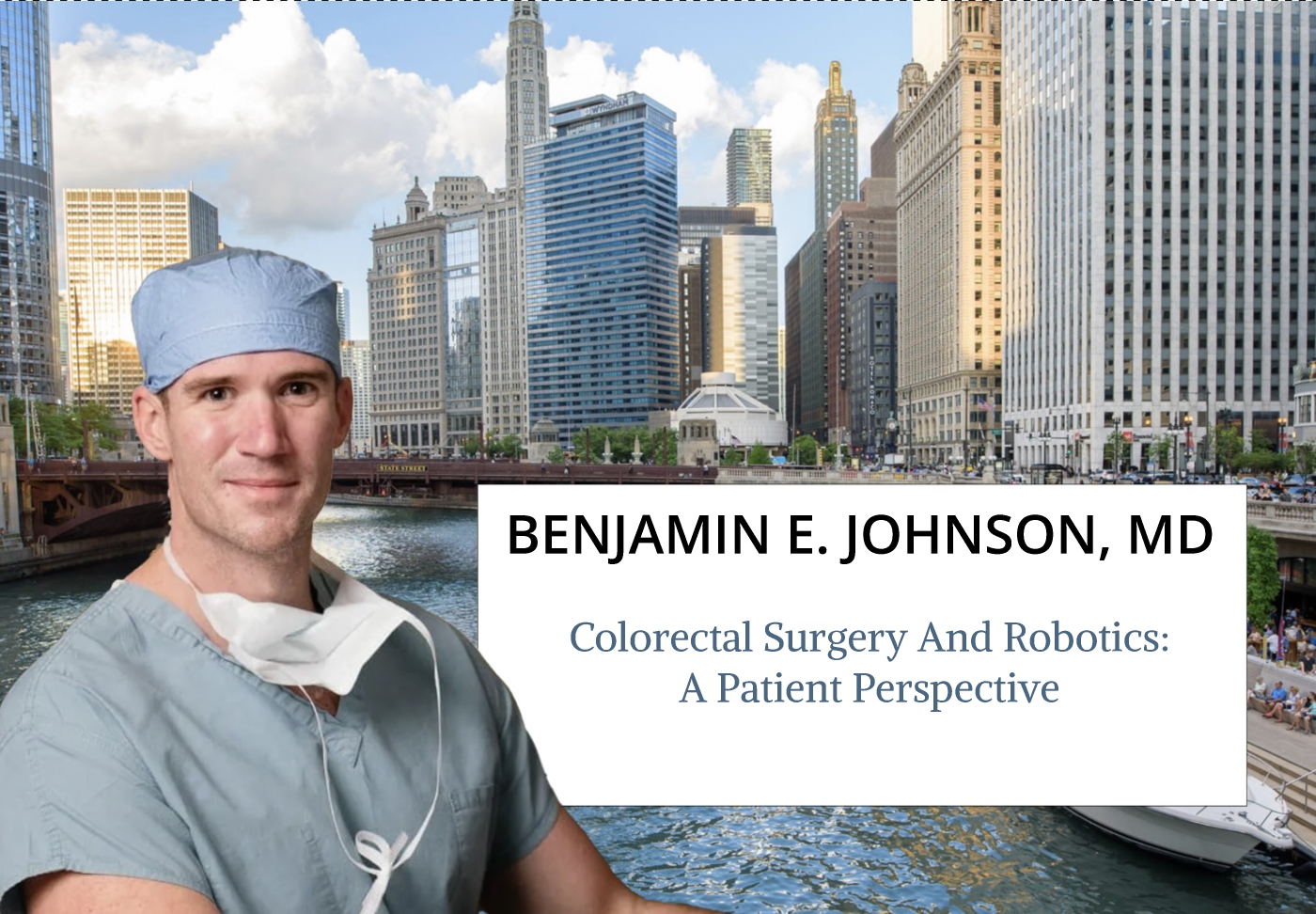
Facing surgery can be overwhelming, especially when the procedure involves sensitive areas like the colon or rectum. Many patients feel anxious about the possible pain, long recovery, or risks involved. However, the advancement of robotics in medicine has opened new doors for safer, more precise care. The robotic colorectal surgery experience is transforming how patients approach these procedures, offering less invasive options, enhanced accuracy, and often quicker recoveries. From the first consultation to postoperative follow-up, patients navigating this experience encounter cutting-edge technology that prioritizes comfort and quality of life. Understanding exactly what to expect when undergoing robotic colorectal surgery and how it may differ from traditional methods can relieve much of the uncertainty and help you make informed decisions about your care. In this article, we’ll walk through the process, benefits, and important considerations for patients in Chicago, IL, giving you a practical and supportive look at the journey from a patient’s perspective.
Gaining Clarity What the Robotic Colorectal Surgery Experience Entails
Robotic colorectal surgery refers to minimally invasive procedures performed on the colon and rectum with the help of robotic technology controlled by a specially trained surgeon. Unlike traditional open surgery, which can require a large incision and lengthy healing time, robotics enable surgeons to operate through several tiny openings. The surgeon controls robotic arms that hold small instruments, offering improved precision and flexibility during complex procedures. For example, a patient with colorectal cancer may benefit from robotic assistance during tumor removal, or someone dealing with diverticulitis can have affected tissue treated with enhanced accuracy. The robotic colorectal surgery experience centers on using advanced visualization and finely tuned movements to minimize trauma to healthy tissues. This often results in smaller scars, less postoperative pain, and a faster return to daily activities, giving patients new hope in facing these challenging conditions.
Why the Robotic Colorectal Surgery Experience Makes a Difference
In the real world, the robotic colorectal surgery experience impacts patients beyond the operating table. This technology often leads to better surgical outcomes, fewer complications, and greater confidence in the medical process. By minimizing the size of incisions and exposure of internal tissues, robotic surgery helps reduce the risk of infection and speeds up the healing process. Physicians in Chicago and across the country are increasingly recommending robotic procedures due to these tangible improvements in patient recovery and satisfaction.
Consider the following scenarios to illustrate the impact of this approach:
- Scenario 1: A patient with colon cancer undergoes traditional open surgery, leading to larger scars and longer hospital stays. In contrast, robotic colorectal surgery allows for minimally invasive treatment, resulting in a smoother recovery.
- Scenario 2: Someone diagnosed with recurring diverticulitis faces frequent complications from conventional surgery. By choosing robotics, the surgeon can target problem areas more accurately, reducing postoperative pain and the chance of recurrence.
- Scenario 3: An individual with a complex rectal tumor benefits from precise robotic control, helping to avoid damage to nearby nerves and organs. This can greatly improve quality of life and reduce the likelihood of long-term complications.
Each example highlights how the robotic colorectal surgery experience offers patients significant advantages over traditional methods.
A Patient’s Guide to the Robotic Colorectal Surgery Journey in Chicago IL
- Step 1: The process begins with a thorough consultation and evaluation by a colorectal surgeon who specializes in robotic procedures. You’ll discuss your symptoms, medical history, and treatment goals.
- Step 2: Once you are considered a good candidate, the next phase involves preoperative planning, where advanced imaging is used to customize the surgical approach to your unique anatomy and diagnosis.
- Step 3: On the scheduled day, the surgeon uses robotic instruments through small incisions to perform the surgery. Continuous monitoring ensures safety, and advanced equipment allows for greater control and visibility.
With each of these steps, the focus remains on maximizing safety, comfort, and positive results for the patient.
Essential Advice for Navigating the Robotic Colorectal Surgery Process
Common Questions About the Robotic Colorectal Surgery Experience in Chicago IL
The Ways Chicago Robotic Surgery Helps Patients Feel Confident and Informed
Chicago Robotic Surgery is renowned for supporting patients through every stage of their colorectal surgery journey. From initial consultation to follow-up care, their team ensures patients understand every aspect of the robotic procedure, making the process less intimidating and more manageable. Their compassionate approach, combined with advanced technology and surgical expertise, provides both improved clinical outcomes and valuable peace of mind for families. The staff embraces a patient-first philosophy, offering guidance and personalized treatments to meet the unique needs of each case. Whether you need detailed information about the risks and benefits of robotic surgery or emotional support before and after your procedure, Chicago Robotic Surgery is dedicated to helping you feel confident in your medical decisions and optimistic about your recovery.