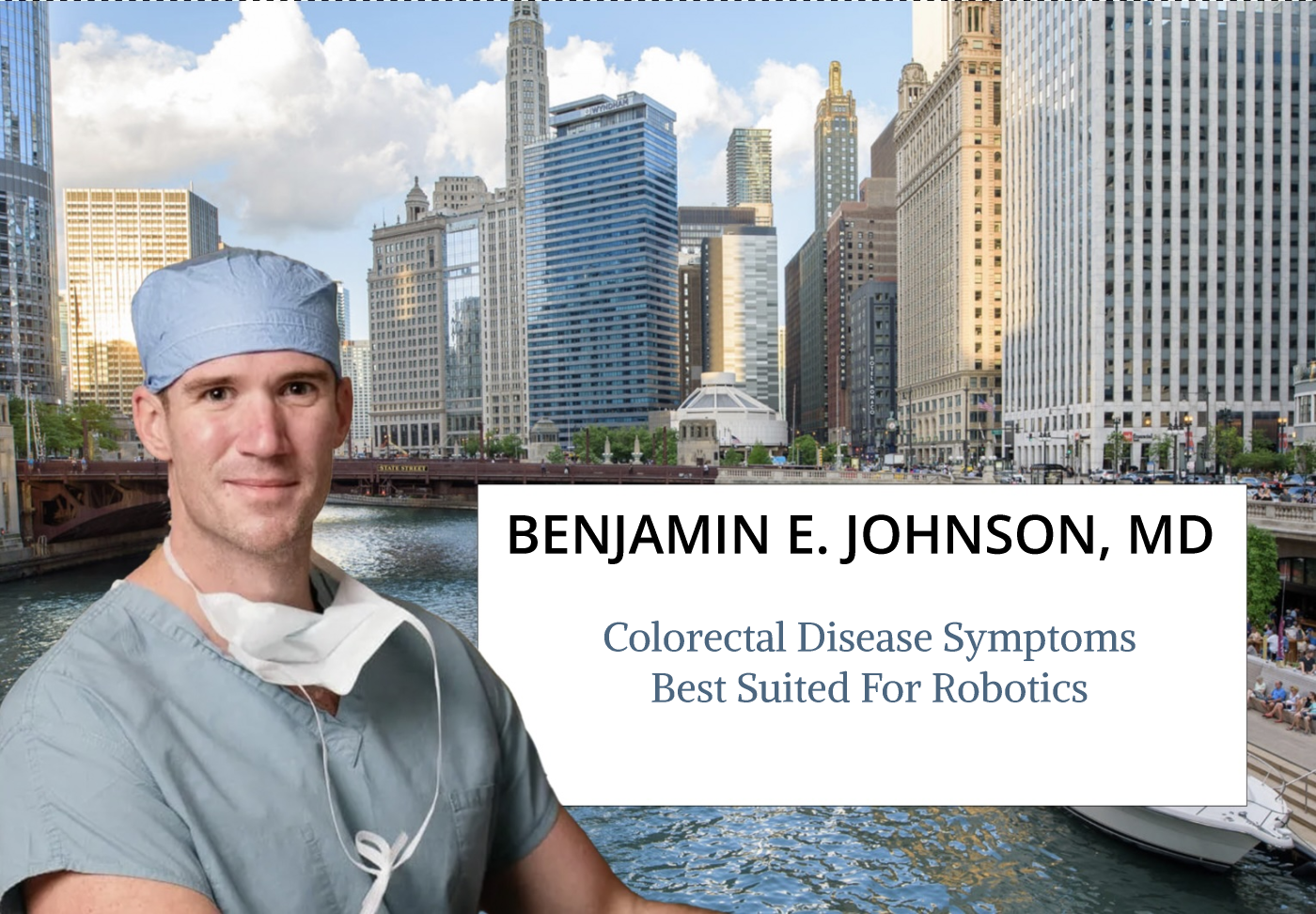
If you have been experiencing rectal bleeding, chronic constipation, abdominal pain, or unexplained weight loss, you may be wondering if robotic surgery could help address your colorectal disease symptoms. Symptoms for robotic colorectal surgery often include persistent digestive discomfort or changes in bowel habits that are not improving with conservative treatments. These symptoms can disrupt your daily life, causing stress and discomfort—especially when standard therapies do not bring relief. It’s natural to feel anxious about what these symptoms might mean for your health and your future. When facing complicated colorectal conditions, seeking clarity about treatment options is vital. Fortunately, advancements in robotic surgery provide new hope for those who need specialized intervention with greater precision, reduced pain, and a quicker recovery. This article aims to guide you through the symptoms most suited for robotic colorectal surgery, how the process works in Chicago, and what you should know to make informed decisions.
Understanding When Robotic Colorectal Surgery Symptoms Matter Most
Symptoms for robotic colorectal surgery refer to specific warning signs or health issues related to the colon or rectum that may benefit from advanced surgical treatment, like robotic-assisted procedures. These symptoms often go beyond temporary digestive upset. For example, chronic rectal bleeding that is not relieved through diet changes or medications can point to underlying diseases such as diverticulitis or colorectal cancer—conditions that may need surgical intervention. Another common example is ongoing bowel obstruction, which can cause painful bloating and discomfort and may result from conditions like polyps or strictures. By understanding and recognizing these persistent or serious symptoms, patients and their families can seek timely evaluations and consider if robotic surgery is appropriate for their care plan. This technology allows for a more targeted approach, potentially leading to better outcomes with shorter hospital stays and less scarring. By focusing on the right symptoms, both patients and their providers can ensure the best treatment options are considered.
The Importance of Spotting Symptoms Requiring Robotic Colorectal Surgery
Recognizing the symptoms for robotic colorectal surgery can make a life-changing difference. When these warning signs are identified promptly, patients are often able to access minimally invasive treatments that can reduce the risk of complications, improve recovery times, and restore quality of life sooner. When symptoms such as severe rectal pain, prolonged changes in bowel function, or a family history of colorectal disease are present, timely surgical consultation is essential. Robotic surgery offers a less intrusive option for treating advanced disease, reducing the emotional and physical toll many patients experience with traditional open surgery.
Delaying action or failing to address the right symptoms can have lasting consequences. For instance, ignoring persistent rectal bleeding or chronic blockages may lead to worsening conditions that require emergency intervention or extensive surgery. Patients who understand the connection between specific symptoms and their eligibility for robotic interventions are more likely to pursue earlier treatment, leading to better outcomes overall.
- A patient with recurring abdominal pain and visible blood in the stool might delay seeking treatment; this can result in disease progression that requires more complicated surgery and extended recovery.
- An individual with bowel obstructions who waits to consult a specialist may develop serious complications, such as infection or bowel perforation, leading to longer hospitalizations and higher risks.
- Someone with genetic risks and mild symptoms may dismiss early warning signs, only to discover advanced colorectal disease at a later stage when fewer minimally invasive options are available.
How Robotic Colorectal Surgery Symptoms Are Addressed in Chicago IL
- Step 1: The process starts with a comprehensive evaluation by your healthcare team in Chicago, IL. They assess your colorectal symptoms, review your medical history, and may suggest diagnostic procedures such as colonoscopy, imaging scans, or lab tests.
- Step 2: If robotic colorectal surgery is deemed appropriate, your surgeon will explain the benefits, risks, and expected outcomes, making sure you understand the procedure and recovery process.
- Step 3: On the day of surgery, advanced robotic systems allow the surgeon to perform minimally invasive procedures through small incisions, often resulting in less discomfort, reduced scarring, and faster recovery compared to traditional operations.
Expert Advice for Managing Surgical Symptoms Effectively
Common Questions About Robotic Colorectal Surgery Symptoms in Chicago IL
Support Provided by Chicago Robotic Surgery for Clients
Chicago Robotic Surgery prides itself on offering compassionate, expert care for patients facing complex colorectal diseases. Their team understands the anxiety and challenges associated with concerning symptoms, and they leverage the latest robotic technology to deliver the highest level of precision and care. By focusing on a patient-centered approach, Chicago Robotic Surgery helps clients feel informed, empowered, and confident in their choices. The practice’s board-certified surgeons have extensive experience in robotic techniques, which translates into better surgical outcomes, lower complication rates, and higher patient satisfaction. Beyond the procedure itself, the care team supports each stage of your journey, from evaluation and education to preoperative preparation, follow-up, and recovery. With their expertise, patients gain peace of mind knowing they are in the hands of skilled professionals dedicated to their health and well-being.