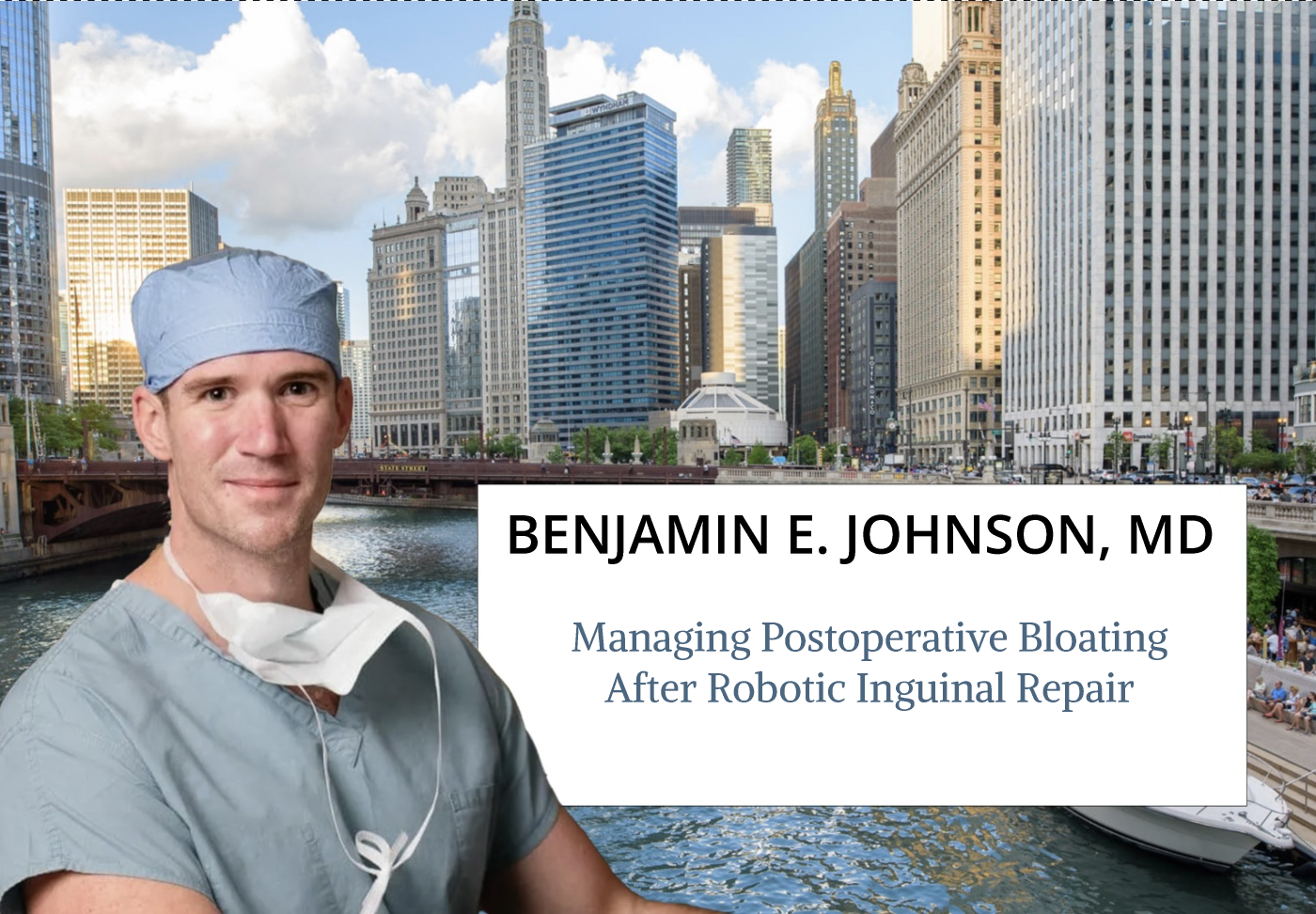
Recovering from hernia surgery can come with a few surprises, one of which is post-op bloating after a robotic hernia repair. For many individuals in Chicago and beyond, this bloating brings discomfort, worry, and questions. Whether you underwent surgery recently or are considering robotic repair for your inguinal hernia, it’s common to feel uneasy about abdominal swelling or a sensation of fullness. You might be wondering whether this feeling is normal, how long it might last, and what can be done to ease the symptoms. Rest assured, you’re not alone. The discomfort of post-op bloating robotic hernia can be managed with practical strategies and a solid understanding of why it happens. In this article, we’ll guide you through the causes, impact, and best practices for minimizing bloating after robotic hernia repair, giving you clear direction for your recovery journey.
Understanding the Basics of Post-Operative Bloating After Robotic Hernia Procedures
Post-op bloating after robotic hernia repair refers to swelling and the feeling of fullness or distention in the abdomen that patients often experience following minimally invasive surgery. When a robotic inguinal repair is performed, gas (usually carbon dioxide) is used to inflate the abdomen, giving surgeons better visibility and space to operate. After surgery, some of this gas can become trapped, leading to bloating and discomfort as the body absorbs and expels it over several days.
For instance, a patient who underwent robotic hernia repair may notice their stomach looks puffy and feels taut, making it difficult to move comfortably. Another may experience excessive burping or difficulty passing gas post-surgery. These are normal reactions as the body adjusts and heals. Although unsettling, most cases of post-op bloating robotic hernia resolve within a week with appropriate care. If symptoms persist or worsen, consulting your care team can provide reassurance and tailored support during the healing process.
The Importance of Addressing Post-Operative Bloating Following Robotic Hernia Repair
Being proactive about managing post-op bloating robotic hernia is not only about comfort; it has broader implications for healing and quality of life. Patients who experience severe or ongoing bloating may struggle with mobility, nutrition, and sleep, all of which are essential for a smooth recovery. Ignoring these symptoms might even delay your return to everyday activities or work, adding further stress during a vulnerable time.
Below are a few real-life scenarios that show why it matters to monitor and address post-surgical bloating symptoms quickly and effectively:
- A patient finds themselves unable to eat adequately after surgery because of persistent fullness, leading to poor nutrition and delayed healing.
- Bloating makes it uncomfortable for someone to participate in gentle walking or prescribed physical therapy, slowing down recovery and increasing stiffness.
- Excess gas causes such discomfort that restful sleep is impossible, affecting energy, mood, and overall healing.
The Stepwise Process of Managing Post-Operative Bloating After Robotic Hernia Surgery in Chicago IL
- Step 1: Your surgeon performs a robotic inguinal hernia repair, using specialized tools and cameras inserted through small incisions. To create space for the procedure, your abdomen is gently inflated with carbon dioxide gas.
- Step 2: After surgery, some gas may linger in the abdominal cavity, causing bloating. Your medical team monitors your condition and provides guidance about what sensations are normal and when to expect improvement.
- Step 3: Over the next few days, your body naturally absorbs the gas. You may be encouraged to move around, use gentle breathing exercises, and adjust your diet to ease symptoms, all while tracking your recovery progress with your care team.
Expert Recommendations for Managing Post-Surgical Bloating Following a Robotic Hernia Repair
Common Questions Regarding Post-Op Bloating After Robotic Hernia Repair in Chicago IL
How Chicago Robotic Surgery Offers Comprehensive Client Support
Chicago Robotic Surgery is dedicated to delivering the highest level of care and guidance to patients recovering from robotic hernia repairs. Their experienced team understands the unique challenges involved in surgical recovery, including managing post-op bloating. From comprehensive post-operative instructions to individualized care plans, they empower each patient to navigate their healing journey with confidence. Clients are given direct access to responsive support lines and regular check-ins to address any emerging concerns. This commitment not only fosters a sense of assurance but promotes optimal outcomes and peace of mind throughout the recovery process. By blending advanced surgical techniques with compassionate post-surgical care, Chicago Robotic Surgery ensures you always have a partner in your recovery.