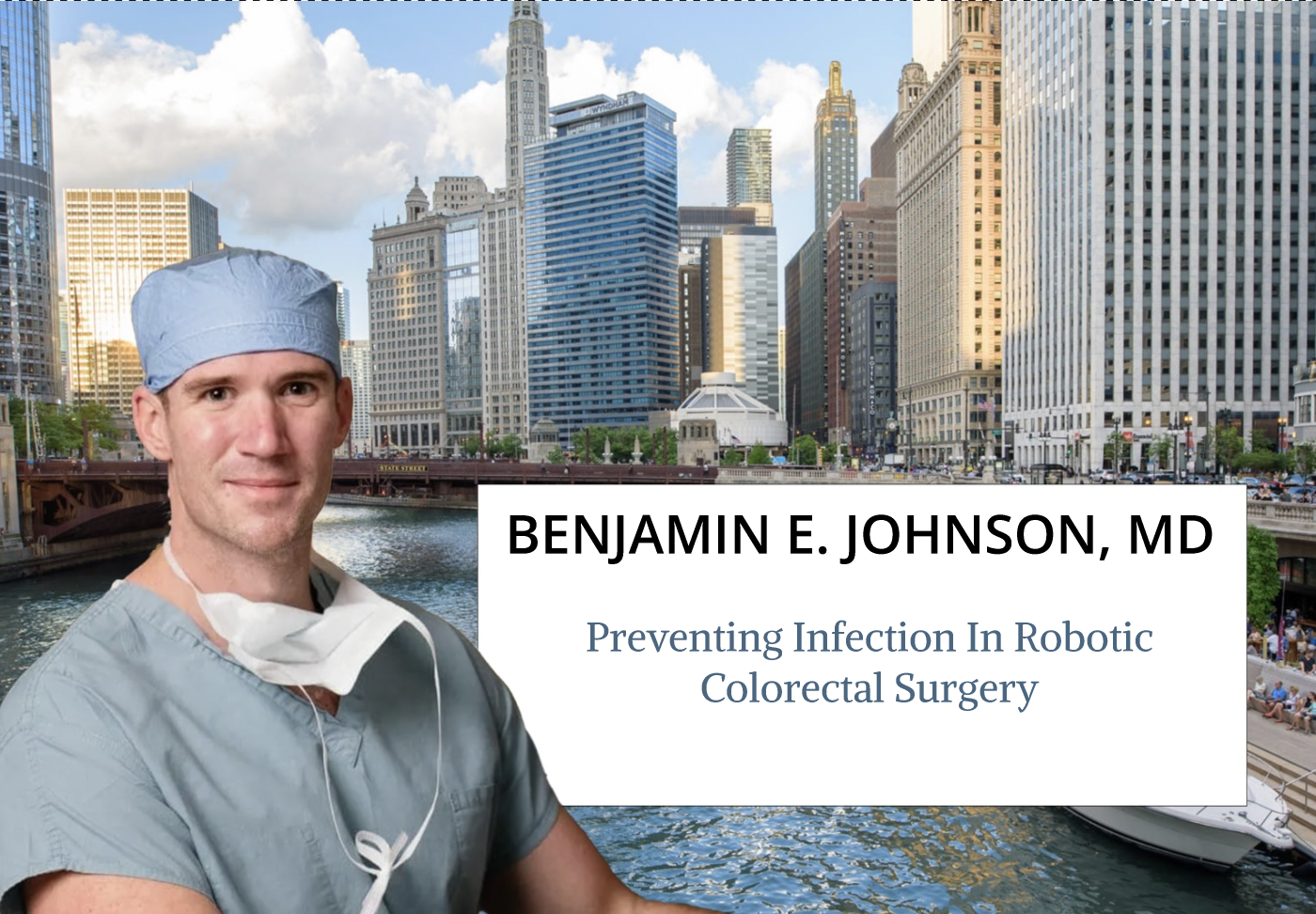
Infection prevention robotic colorectal is a topic that understandably raises concerns for patients and their families facing colorectal surgery. When considering surgical options, the risk of infection is one of the major factors influencing peace of mind and recovery outcomes. Thankfully, robotic colorectal surgeries offer a high level of precision and control, helping significantly to reduce infection risks compared to traditional surgery. The entire goal of these advanced techniques is to minimize exposure, keep surgical incisions small, and optimize the chances for a smooth postoperative recovery period. Understanding the best practices in infection prevention robotic colorectal surgery can empower patients and loved ones as they navigate this important journey. By working closely with a skilled surgical team in Chicago, IL, you can feel confident in the protocols and safeguards put in place to protect your health before, during, and after robotic colorectal surgery.
Getting to Know the Basics of Infection Prevention in Robotic Colorectal Surgery
Infection prevention robotic colorectal is all about applying careful methods and advanced tools to reduce the risk of infection for patients undergoing colorectal surgery that utilizes robotic technology. This specialized approach works by using minimally invasive techniques, which means smaller incisions, less direct contact with tissues, and precise instrument control. For instance, when robotic arms are used to perform colorectal resections, surgeons can access the affected area without creating large openings in the abdominal wall. As a result, there are fewer opportunities for bacteria to enter the body during surgery.
Another example of infection prevention robotic colorectal in action is the rigorous sterilization process of all instruments before and during the procedure. Sophisticated operating rooms are designed to keep the environment as sterile as possible, further limiting the chance of surgical site infections (SSIs). These preventative measures are vital, as infections can cause significant setbacks in recovery and sometimes lead to longer hospital stays or additional treatments. For patients considering robotic colorectal surgery, discussing these steps with your care team ensures you are well-informed and confident in your safety.
Why Infection Prevention Strategies in Robotic Colorectal Matters for Patients
Ensuring robust infection prevention robotic colorectal protocols is paramount, not only for a successful surgical outcome but also for the emotional and physical well-being of patients. Infections following colorectal surgery can result in pain, prolonged hospital stays, increased healthcare costs, and additional procedures. More importantly, they can influence long-term recovery and quality of life. By integrating strict prevention measures, both surgical teams and patients can feel more at ease and focus on healing.
The impact of infections goes beyond medical complications. Patients may face anxiety and stress about their condition, concerns about returning to work or daily activities, and additional financial burdens. Preventative steps help reduce these worries and promote a faster, smoother recovery. Below are several scenarios highlighting why meticulous infection prevention robotic colorectal is so crucial.
- A patient develops a surgical site infection, leading to a readmission to the hospital for intensive antibiotic treatment and wound care.
- An undetected infection causes delayed recovery, meaning the patient misses additional workdays and experiences ongoing pain and discomfort.
- In severe cases, infection may spread to the bloodstream, increasing the risk of life-threatening complications and requiring advanced medical intervention.
What Does the Infection Prevention Process Look Like for Robotic Colorectal Surgery in Chicago IL
- Step 1: Patients are carefully screened for any underlying health conditions or infections before surgery. Education about pre-surgery hygiene and preparation is provided to minimize risks as much as possible.
- Step 2: On the day of surgery, all surgical instruments, robotics equipment, and the operating room are prepared according to stringent sterilization protocols to prevent contamination.
- Step 3: During and after the procedure, the surgical team monitors wound care closely, provides postoperative antibiotics as needed, and offers guidance on keeping the surgical site clean and protected during recovery at home.
Expert Suggestions for Better Outcomes in Infection Prevention Robotic Colorectal Surgery
Answers to Common Concerns About Infection Prevention Robotic Colorectal in Chicago IL
How Chicago Robotic Surgery Stays Committed to Patient Safety and Quality Care
Chicago Robotic Surgery is dedicated to providing comprehensive care before, during, and after robotic colorectal procedures. Their experienced teams employ state-of-the-art sterilization techniques, advanced technology, and individualized patient preparation to ensure every possible step is taken to prevent infection. With a patient-centered approach, Chicago Robotic Surgery invests in ongoing staff education and strict adherence to best practices, helping clients achieve safer, speedier recoveries.
Patients choosing this practice benefit from a blend of expertise and compassionate care. Chicago Robotic Surgery tailors prevention strategies to each individual, taking underlying health conditions and personal needs into account. This dedication means every client receives effective communication, support, and guidance, making the journey to recovery less stressful. The peace of mind that comes from working with a trusted provider is truly invaluable when your health is on the line.