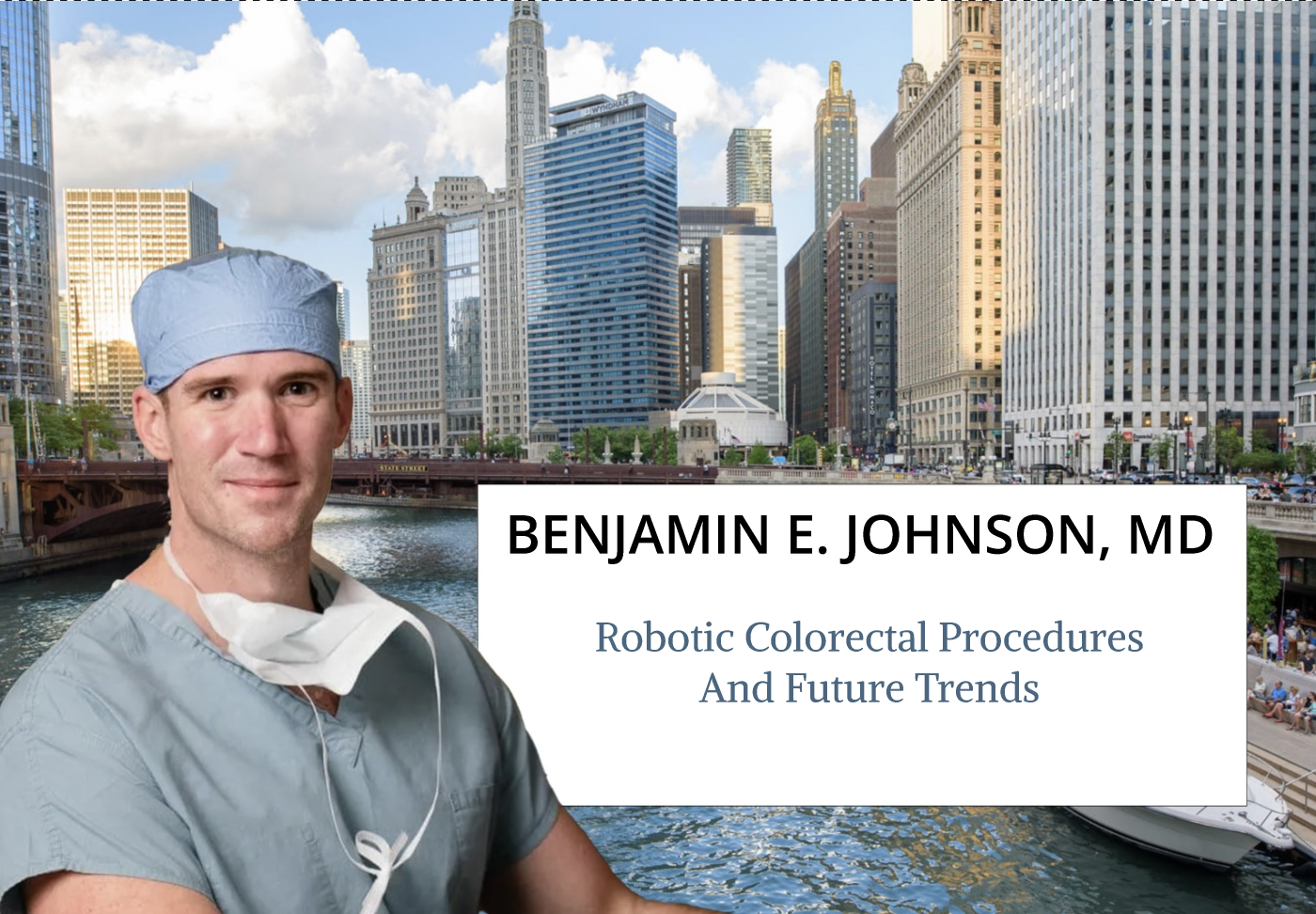
Advancements in medicine are continually reshaping the landscape of patient care, and nowhere is this more evident than in surgical technology. For those facing colorectal conditions, the future of robotic colorectal surgery brings a sense of hope and reassurance. Modern robotic procedures have already started to transform outcomes for patients, offering improved precision, reduced recovery times, and minimized complications. As research and innovation accelerate, the benefits of these approaches are becoming increasingly accessible and tailored to individual health needs. Understanding the prospects for the future of robotic colorectal surgery is important for patients, their families, and medical professionals alike, as it opens the door to safer, more effective options for complex treatments. By focusing on new techniques and emerging technology, we can envision a time when colorectal procedures are even less invasive, with better results and a greater focus on patient wellbeing.
Exploring the Next Generation of Robotic Colorectal Surgery
The future of robotic colorectal surgery refers to the ongoing evolution of minimally invasive surgical methods performed by robotic technology. This concept includes both the advanced use of high-precision instruments and the continual refinement of surgical planning, data analysis, and recovery protocols. The role of robotics is not just to aid surgeons but also to ensure consistent, high-quality outcomes for complicated colorectal procedures.
For example, current robotic platforms enable surgeons to operate through tiny incisions using finely-tuned, computer-assisted arms, resulting in minimal scarring and faster healing. In another scenario, artificial intelligence now helps to map out personalized surgical plans, improving both short-term and long-term outcomes. As this field advances, features like enhanced real-time imaging and even semi-autonomous functions are expected to become standard, making procedures safer and more predictable for all patients.
The Real-World Importance of Advancing Robotic Colorectal Surgery
As robotic procedures become more refined and accessible, they offer significant advantages not only for patients but for healthcare providers and communities as well. Improved surgical accuracy reduces complications, which in turn means less time spent in the hospital and a quicker return to normal life. Additionally, new techniques continue to lower the risks associated with traditional surgeries, such as infection and extended recovery periods.
These improvements matter deeply because each advancement shapes real outcomes. A routine colon resection that previously required weeks of painful recovery may now be addressed with an outpatient procedure and only a short hospital stay. Furthermore, ongoing research is bringing personalized treatment plans, meaning better results for those with complex or chronic colorectal conditions.
- Scenario 1: A patient undergoes a robotic-assisted colon surgery with fewer complications, leading to a quicker discharge and a positive recovery at home.
- Scenario 2: Improved precision in tumor removal reduces local recurrence rates, giving cancer patients a stronger chance at long-term remission.
- Scenario 3: Hospitals adopting advanced robotic technology see a drop in infection rates and postoperative complications, improving community health overall.
Navigating the Surgical Journey: How Robotic Colorectal Procedures Are Carried Out in Chicago IL
- Step 1: The patient meets with a surgical team to review medical history and undergo a thorough evaluation using advanced diagnostic imaging to determine if a robotic procedure is appropriate.
- Step 2: On the day of surgery, the patient is prepped, and the surgical team uses state-of-the-art robotics to access the affected area through small incisions, using real-time imaging for accuracy and safety.
- Step 3: After the procedure, the patient is closely monitored during recovery, with many able to return home within days, thanks to the minimally invasive nature of robotic surgery.
Top Strategies to Maximize the Benefits of Robotic Colorectal Surgery
Answers to Common Questions About Robotic Colorectal Surgery in Chicago IL
How Chicago Robotic Surgery Enhances Patient Support and Outcomes
Chicago Robotic Surgery is dedicated to offering advanced care tailored to each patient’s unique needs. With an experienced team of board-certified surgeons and an unwavering commitment to the latest technology, the center stands at the forefront of the field. Patients benefit from streamlined procedures, access to state-of-the-art operating suites, and comprehensive pre- and postoperative support. The surgical team’s expertise ensures that every individual receives personal attention, clear communication, and guidance throughout the entire journey. As a result, clients experience not only better surgical results but also peace of mind, knowing that their health is in trusted hands and that their comfort and recovery are prioritized every step of the way.