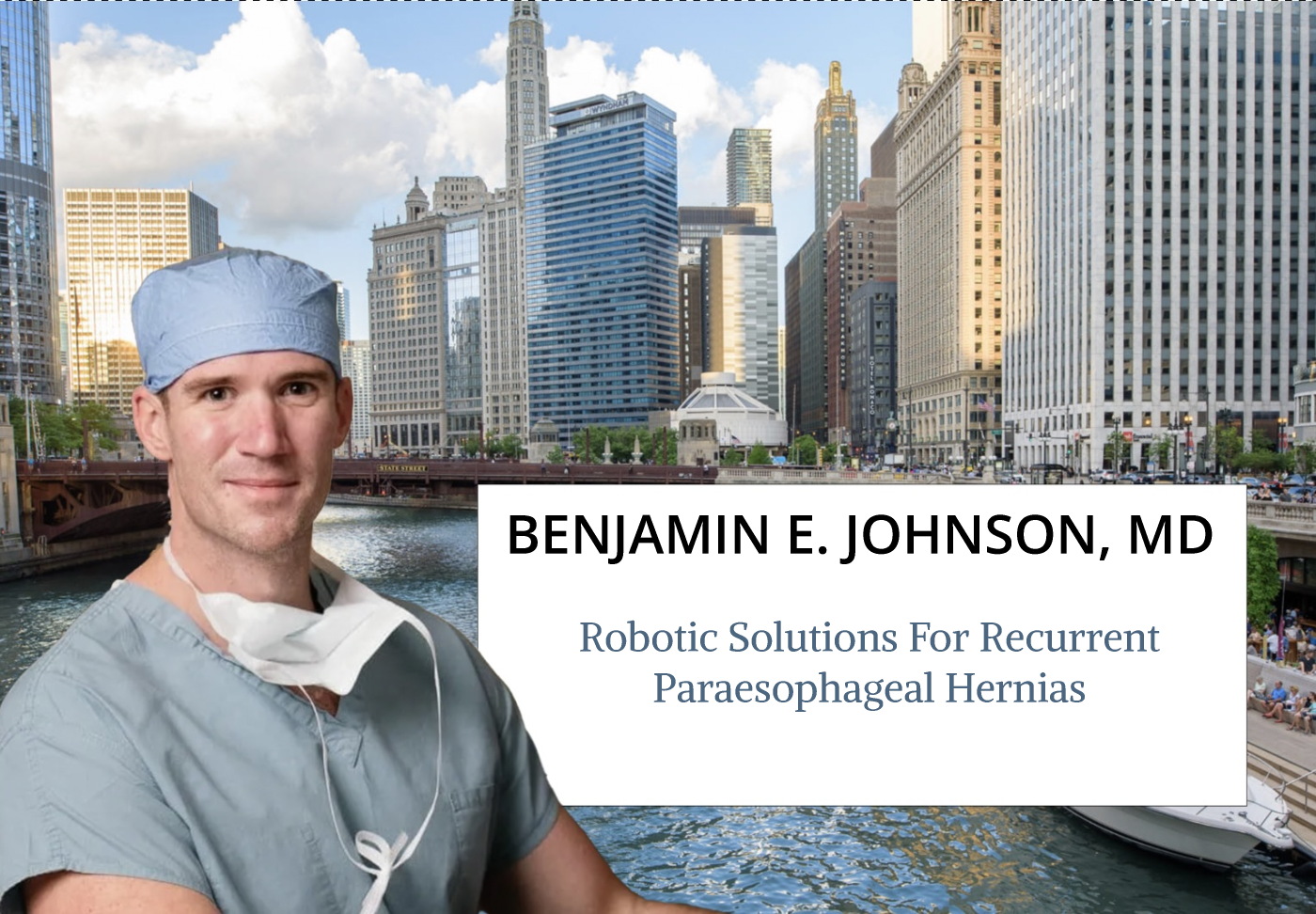
Recurrent paraesophageal hernias can be a source of deep frustration and ongoing discomfort for individuals battling digestive issues. When traditional repair methods fail, and symptoms return again and again, patients may feel uncertain and overwhelmed about their options. Fortunately, advances in recurrent paraesophageal robotic surgery offer renewed hope. This innovative surgical approach utilizes minimally invasive robotic technology to help treat hernias that have recurred after initial repair attempts, providing improved precision and better outcomes. As recurring symptoms interfere with daily life, patients need compassionate, effective solutions to restore their well-being and grant lasting relief. Understanding how recurrent paraesophageal robotic surgery works, its advantages, and the role it can play in complex cases is crucial for making informed decisions about your health and future.
The Fundamentals of Recurrent Paraesophageal Robotic Surgery
Recurrent paraesophageal robotic surgery refers to the robotic-assisted repair of a paraesophageal hernia that has returned after previous surgical treatment. A paraesophageal hernia occurs when part of the stomach pushes through the diaphragm and into the chest, often resulting in heartburn, chest pain, trouble swallowing, or even breathing difficulty. In many cases, surgical repair is needed; however, about 10 to 15 percent of these repairs can fail over time, and the hernia may recur. For example, a patient who had a traditional laparoscopic repair a few years ago may now find their symptoms returning. Another patient might experience persistent acid reflux after initial surgery, signaling the need for further intervention. Robotic surgery offers surgeons enhanced control and visualization, allowing for more precise repairs, especially in challenging repeat cases. For those facing the frustration of a recurrent hernia, understanding this option can open the door to real, lasting relief.
Why Effective Recurrent Paraesophageal Robotic Procedures Make a Difference
Successfully treating recurrent paraesophageal hernias is more than just a surgical challenge; it can have a profound impact on a patient’s physical health and quality of life. Recurrent symptoms often bring added emotional stress, lost time from work or family, and diminished ability to enjoy everyday activities. By leveraging advanced robotic surgery, patients can benefit from improved recovery times, reduced risk of complications, and increased chances of a durable repair.
Beyond the technical advantages, recurrent paraesophageal robotic surgery often restores hope for those who have lived with persistent discomfort and repeated interventions. This approach can minimize the trauma from open or repeat surgeries, which is particularly important for individuals with complex surgical histories. By choosing the right surgical technique, patients are better positioned to return to a full and active lifestyle with reduced anxiety about future recurrences.
- Scenario 1: An individual experiences frequent regurgitation and chest pain after a past hernia repair. Consequence: They may avoid social settings due to embarrassment, leading to isolation.
- Scenario 2: A professional finds recurring symptoms disrupt work performance. Consequence: Missed workdays or reduced concentration may impact career growth.
- Scenario 3: Someone with underlying health conditions faces repeated surgeries. Consequence: Higher risks and slower recovery could further compromise overall health.
Navigating the Steps of Recurrent Paraesophageal Robotic Surgery in Chicago IL
- Step 1: Initial consultation and assessment. The surgeon will review your surgical history, current symptoms, and order diagnostic tests such as endoscopy or imaging to confirm the recurrence and determine the best surgical approach.
- Step 2: Robotic-assisted surgery. On the day of the procedure, a robotic surgical system allows the surgeon to perform complex repairs through small incisions using enhanced 3D visualization and fine instruments.
- Step 3: Recovery and follow-up. Patients usually experience shorter hospital stays, less post-operative pain, and are able to resume daily activities sooner. Comprehensive follow-up ensures optimal healing and addresses any additional concerns.
Pro Recommendations for Handling Recurrent Paraesophageal Robotic Surgery Successfully
Your Top Questions about Recurrent Paraesophageal Robotic Surgery in Chicago IL Answered
How Chicago Robotic Surgery Stands By Its Patients
Chicago Robotic Surgery delivers a patient-centered approach to complex hernia cases, offering extensive experience in advanced robotic methods. Their team communicates clearly with clients from the initial evaluation through individualized planning and post-surgical care. By focusing on safety, education, and comfort, Chicago Robotic Surgery ensures each step of the process is handled with sensitivity and expertise. Patients appreciate the convenience of minimally invasive techniques, which often mean quicker recoveries and less disruption to their lives. By prioritizing open dialogue and providing access to a network of resources, Chicago Robotic Surgery helps patients move forward confidently, knowing they are supported at every stage of their journey toward lasting health and peace of mind.