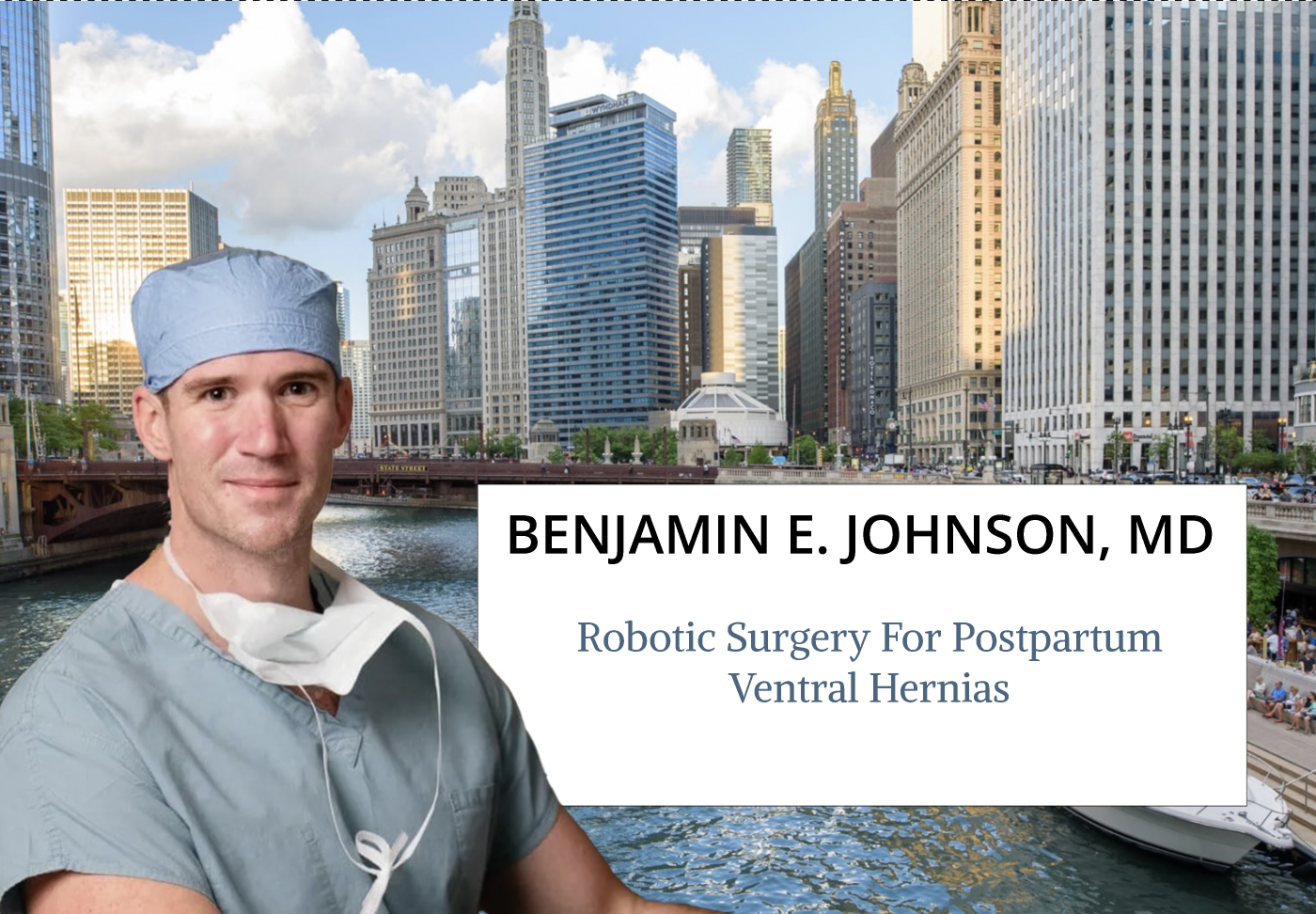
Welcoming a new life into the world is an amazing experience, but it can bring physical changes and challenges, too. For many women, one such challenge is dealing with a ventral hernia after childbirth. If you are searching for information about postpartum robotic ventral hernia procedures, you are not alone. Postpartum bodies can develop hernias when the abdominal muscles weaken or separate, leaving you with discomfort, a visible bulge, or even pain that makes daily activities harder. Fortunately, advanced surgical techniques like robotic-assisted repair are making recovery faster and less invasive. With empathy and understanding, this article offers guidance to help you navigate the world of postpartum hernia repair options, empowering you to make informed choices for your health and well-being.
Understanding postpartum robotic ventral hernia repair and its meaning
A postpartum robotic ventral hernia refers to a hernia that develops in the abdominal wall after giving birth. This can happen when the muscles of the abdomen have been stretched or separated due to pregnancy, creating a weak spot that allows tissue or intestine to push through. Often, women notice a bulge at the midline of their abdomen, sometimes with discomfort or pain, especially when lifting heavy objects or standing for extended periods.
For instance, Maria noticed a firm bulge just above her belly button a few months after her delivery. Similarly, Sarah experienced persistent aching around her incision scar following a cesarean section, which turned out to be a ventral hernia. Robotic surgery for postpartum ventral hernias utilizes specialized technology to repair the weakened abdominal wall with enhanced precision, smaller incisions, and typically less post-surgical discomfort compared to traditional techniques. Defining these terms simply can help ease confusion and empower new mothers to seek timely treatment.
The importance of addressing postpartum robotic ventral hernia
Taking postpartum robotic ventral hernia seriously is vital for your long-term health and quality of life. After childbirth, you may want to resume normal activities, care for your baby, and regain your confidence. Untreated ventral hernias can cause physical discomfort, restrict movement, and may even lead to serious complications if organs become trapped or blood supply is compromised. The physical, emotional, and practical impact is undeniable.
For example, ignoring early symptoms may mean facing medical emergencies later. Postpartum hernias can also make you hesitant to pick up your child or enjoy simple activities, leading to feelings of frustration or limitation. By exploring innovative procedures like robotic repair, you give yourself the best chance for effective healing and a quicker return to normal life.
- New mother needs to lift her baby, but persistent abdominal pain prevents her, resulting in bonding and care challenges.
- A busy professional experiences swelling and discomfort at her incision site, causing missed workdays and financial stress.
- Physical activity is limited by a visible abdominal bulge, lowering confidence and quality of life for a postpartum woman.
The journey of postpartum robotic ventral hernia surgery in Chicago IL explained
- Step 1: Consultation and diagnosis. Your healthcare provider will evaluate your symptoms and perform imaging studies, such as ultrasound or a CT scan, to confirm the presence and severity of the hernia.
- Step 2: Planning the robotic procedure. The specialist will walk you through the robotic surgery process, which typically involves small incisions and the use of advanced robotic instruments for a minimally invasive repair.
- Step 3: Recovery and follow-up. After surgery, you will have a recovery period with guidance on safe activity levels and wound care, plus routine follow-up appointments to monitor healing and prevent recurrence.
Top strategies for managing postpartum robotic ventral hernia successfully
Common questions regarding postpartum robotic ventral hernia repair in Chicago IL
Ways Chicago Robotic Surgery helps support patients through recovery
Chicago Robotic Surgery takes a patient-centered approach, backing every step of your journey with care, expertise, and compassion. Their surgeons bring years of experience in advanced robotic procedures, and the team prioritizes open communication and emotional support from consultation through recovery. By providing clear instructions, realistic expectations, and prompt follow-up care, they help minimize anxiety and promote smooth healing. Chicago Robotic Surgery ensures every patient feels informed and confident about their treatment plan, offering state-of-the-art resources and personalized attention at every stage. With their guidance, you can focus on your health and family with greater peace of mind, knowing you are in capable and caring hands.