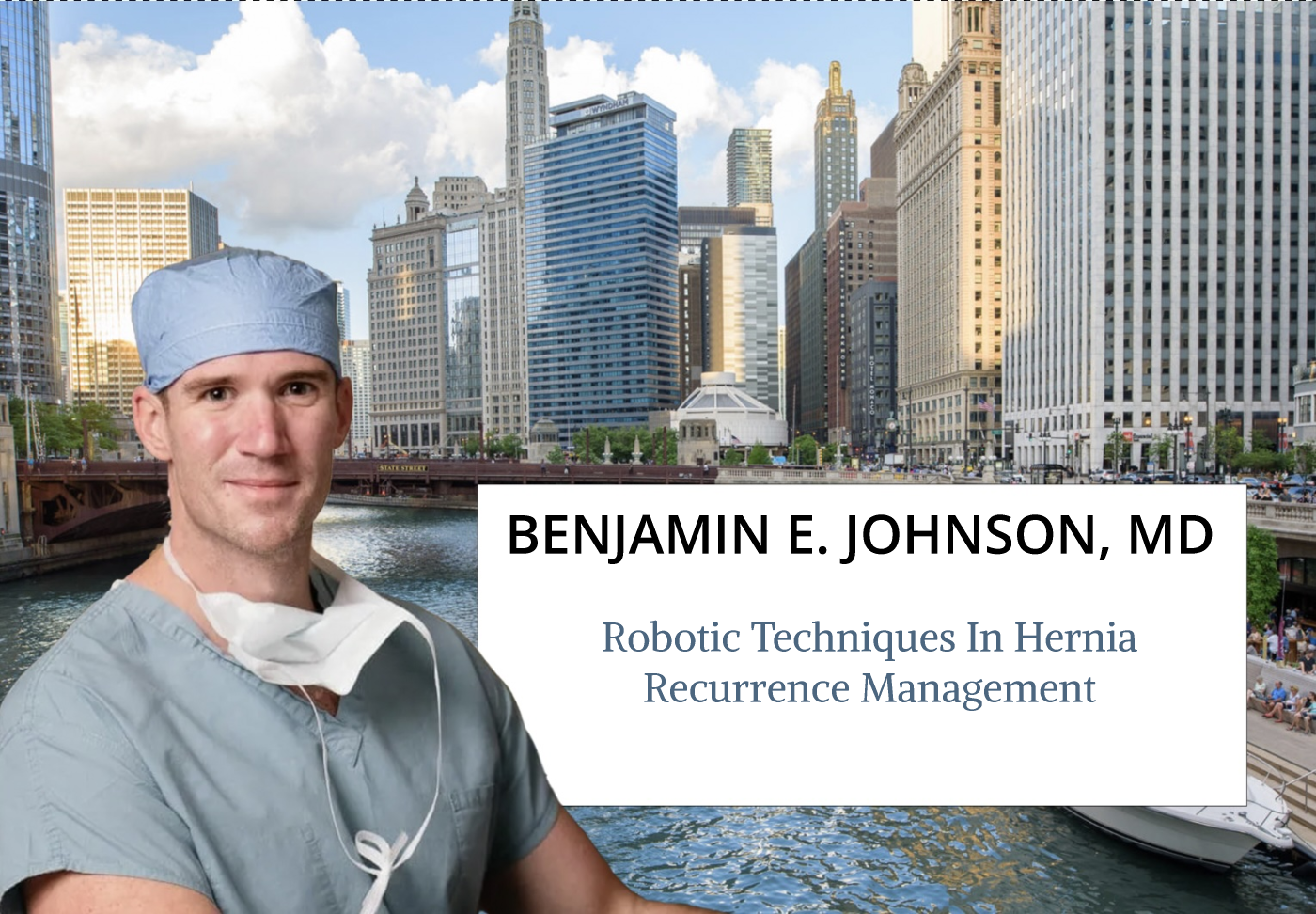
A hernia recurrence can be an emotionally and physically trying experience for anyone who has previously undergone hernia repair surgery. The frustration of having to face surgery again, concerns about longer recovery times, and the fear of further complications can feel overwhelming. The good news is that advances in medical technology have led to the development of hernia recurrence robotic strategies, a solution designed to improve both safety and comfort for patients. Robotic surgery now offers precision that goes beyond traditional open or laparoscopic approaches. As more patients in Chicago and across the country turn to these techniques to address hernia recurrence, understanding the benefits and process of robotic strategies can give you peace of mind during what can otherwise be a stressful journey.
Background – Defining hernia recurrence robotic strategies in simple terms
Hernia recurrence robotic strategies refer to the use of advanced robotic systems in treating hernias that have returned after a previous repair. Unlike traditional methods that use manual surgical tools, robotic techniques allow surgeons greater control and enhanced visualization of the affected area. For instance, a patient who previously received a mesh implant that later failed may benefit from a robotic approach, with the assistance of precise, minimally invasive tools. Another example involves recurrent incisional hernias, where scar tissue from earlier surgeries makes open approaches risky. In these cases, the robotic system offers delicate maneuverability, helping surgeons address the problem with minimal disruption. Simply put, hernia recurrence robotic strategies combine the surgeon’s expertise with robotic assistance to achieve better outcomes for patients facing repeated hernia repairs.
The importance of adopting hernia recurrence robotic strategies
Choosing the right method to manage a recurring hernia can make a profound impact on a patient’s quality of life and long-term health. Robotic technology delivers an accurate approach, leading to better healing and fewer complications. For many patients, the minimally invasive nature of robotic strategies means faster recovery, less pain, and a lower likelihood of future recurrences. These benefits extend across a range of situations, from complicated surgical histories to concerns about regaining mobility quickly.
Real-life consequences highlight why innovative hernia recurrence robotic strategies are more than just a technical upgrade. Each scenario below demonstrates how the right approach can make the difference between prolonged suffering and a swift, effective recovery.
- Scenario 1: A patient with a second hernia after previously open surgery faces more complex scar tissue. Consequence: Traditional repair risks damaging surrounding organs or nerves, but robotic methods allow for safe and accurate navigation.
- Scenario 2: A physically active individual wants to return to normal activities quickly after a recurrence. Consequence: Minimally invasive robotic techniques shorten downtime and support a faster, gentler healing process.
- Scenario 3: An elderly patient with multiple underlying health concerns needs surgery. Consequence: Robotic approaches reduce operative stress and lower the overall impact of surgery, supporting better outcomes for vulnerable populations.
Step-by-step guide to hernia recurrence robotic strategies in Chicago, IL
- Step 1: The initial consultation involves an in-depth review of your medical and surgical history, as well as diagnostic imaging to identify the specifics of the hernia recurrence and any complications from past surgeries.
- Step 2: Your surgical team creates a customized treatment plan, selecting the most suitable robotic approach for your needs. You will also discuss anesthesia and recovery considerations unique to the robotic technique.
- Step 3: The procedure is performed using a robotic surgical system, allowing the surgeon to conduct the repair with greater precision and control. Postoperative care is closely monitored, with guidance provided for a smooth recovery process.
Expert ways to manage hernia recurrence robotic strategies effectively
Answers to common questions about hernia recurrence robotic strategies in Chicago, IL
The role of Chicago Robotic Surgery in patient care
Patients facing complicated hernia recurrences in the Chicago area can count on Chicago Robotic Surgery for advanced, compassionate care. Their surgical team has years of expertise in pioneering robotic methods, which translates into a strong track record of excellent outcomes. By focusing on patient education and individualized plans, Chicago Robotic Surgery eases the burden for patients worried about new or recurrent hernias. Their approach minimizes pain, improves healing times, and maximizes quality of life after surgery. You will be guided every step of the way, from your first consultation through postoperative recovery, gaining the peace of mind that comes with knowing you are in the hands of dedicated professionals who genuinely care about your well-being.