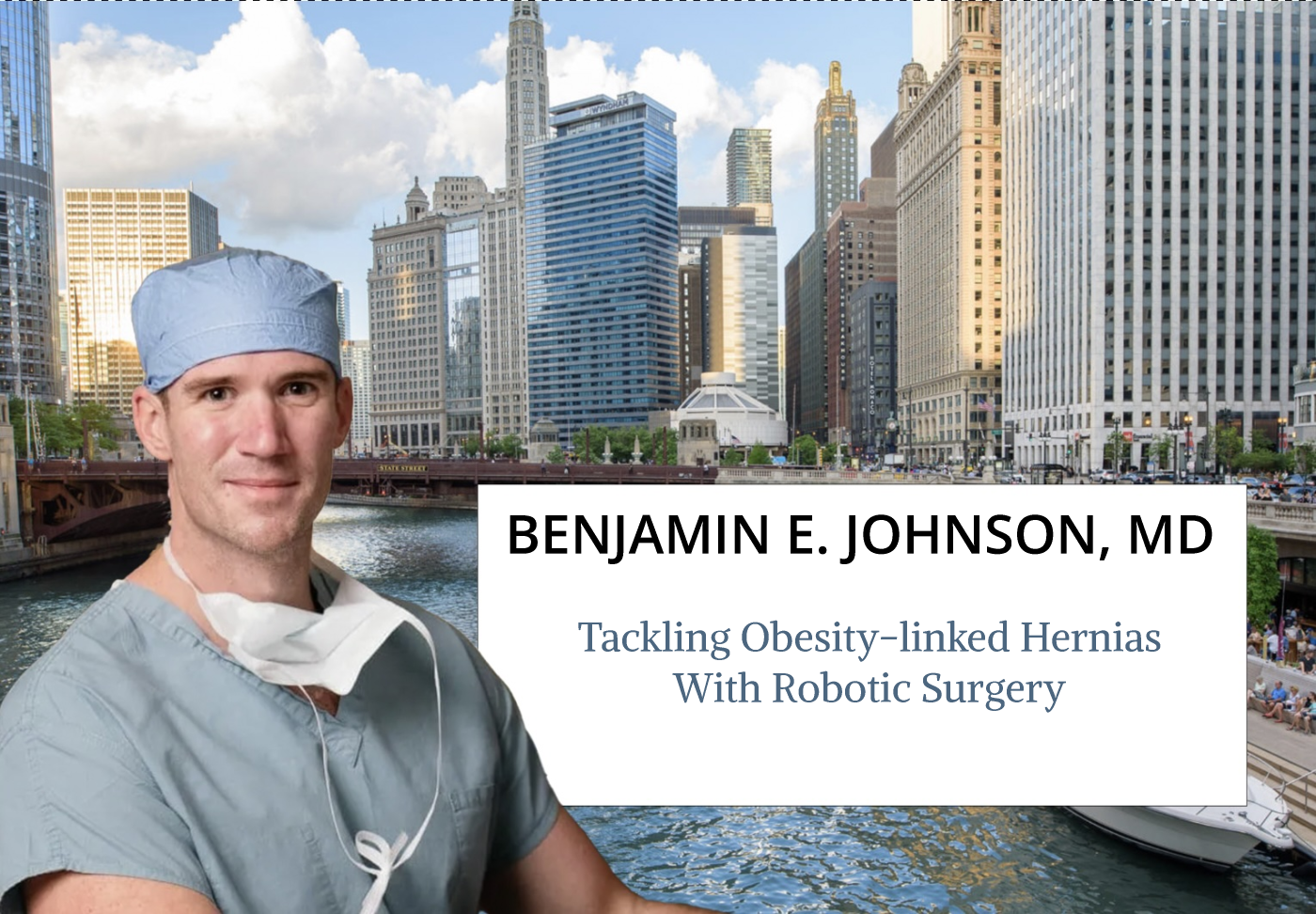
Living with obesity can bring unique health challenges, and one of the most difficult issues some face is the development of hernias. Hernias occur when an internal organ or tissue pushes through a weak spot in the muscle or surrounding tissue. Among individuals with higher body mass indexes (BMIs), hernias are more likely to develop—and they may be trickier to repair due to added layers of fat, previous surgeries, or other medical complexities. In recent years, obesity hernia robotic repair has emerged as an advanced solution that offers hope and improved outcomes. This approach uses state-of-the-art robotic technology to facilitate minimally invasive hernia repair, which can be especially beneficial for patients in Chicago and beyond. Understanding the process and how it can improve quality of life is a vital step for those starting their journey toward better health and healing after a hernia diagnosis.
Exploring the Basics of Obesity Hernia Robotic Repair
Obesity hernia robotic repair is an advanced surgical technique that uses robotic tools to treat hernias in patients who are overweight or obese. Traditional hernia repair can be more complicated in individuals carrying excess weight because of deeper layers of tissue and a higher risk of surgical site infection or recurrence. Robotic-assisted surgery allows for greater precision, small incisions, and improved visualization for the surgeon. For example, a patient who has experienced a ventral hernia after bariatric surgery may be an ideal candidate, as the robotic approach can be tailored to navigate delicate tissue and complex anatomy. Another scenario might involve an umbilical hernia in a patient with a high BMI, where traditional repair would pose significant technical challenges. With robotic support, surgeons can repair these hernias with enhanced accuracy and control, improving healing and reducing complications.
Why Effective Robotic Hernia Repair for Obesity Makes a Difference
The impact of robotic-assisted hernia repair for obese patients goes far beyond the operating room. For many, chronic pain and discomfort from hernias can make daily activities difficult, leading to decreased mobility and a diminished quality of life. Robotic techniques provide minimally invasive solutions, offering faster recovery times, less pain, and smaller scars than open procedures. This is especially meaningful for those living with obesity, who often face higher risks during and after surgery. By making the procedure safer and the recovery easier, robotic hernia repair helps patients return to their routines sooner.
In addition, surgical outcomes are improved for complex or recurrent hernias, which are more common in obese individuals. Precision robotics can help prevent re-herniation and infection. This means fewer future surgeries and less disruption to patients’ personal and professional lives. For residents of Chicago, IL, where advanced surgical care is available, choosing robotic hernia repair represents a proactive step towards lasting health improvement.
- Scenario 1: A construction worker with obesity develops a large incisional hernia after abdominal surgery. If left untreated, the hernia may worsen, causing chronic pain and inability to work.
- Scenario 2: An individual with a high BMI and diabetes faces repeated hernia recurrences using traditional surgery, resulting in prolonged hospital stays and increased medical bills.
- Scenario 3: A mother of three delays hernia repair out of fear of surgical risks. Robotic repair offers a safer and more confident path to recovery, allowing her to return to her family sooner.
A Step-by-Step Look at How Robotic Hernia Repair Works in Chicago, IL
- Step 1: The surgical team evaluates your health background and conducts diagnostic imaging to create a customized treatment plan for your type of hernia.
- Step 2: During the procedure, the surgeon uses a robotic platform with high-definition 3D cameras and micro-instruments to make small incisions and repair the hernia with precision.
- Step 3: After surgery, you receive postoperative care instructions—most patients experience less discomfort and a quicker return to activity compared to traditional surgery.
Best Practices for Managing Hernia Recovery After Robotic Surgery
Common Questions About Obesity Hernia Robotic Repair in Chicago
The Support Chicago Robotic Surgery Offers to Patients
Chicago Robotic Surgery is committed to offering comprehensive support for individuals undergoing obesity hernia robotic repair. Their team of board-certified surgeons brings extensive experience and a patient-centered approach to every case. From the first consultation, patients receive personalized attention and education about their condition and treatment options. Advanced robotic technology is utilized to ensure precise repairs and minimize patient discomfort. The friendly staff is dedicated to smooth, coordinated care—handling everything from preoperative instructions to follow-up appointments. Through each step, Chicago Robotic Surgery delivers peace of mind, as patients know they are cared for by professionals who understand the complexities of obesity-related hernias. This supportive environment helps reduce anxiety while promoting the best possible surgical outcomes.